Thailand History • Culinary Heritage
Food History
Trade, migration, royal kitchens, regional traditions and generations of cooks shaped Thai cuisine into one of the world’s great culinary cultures. Explore the history, origins and stories behind iconic Thai dishes and ingredients.
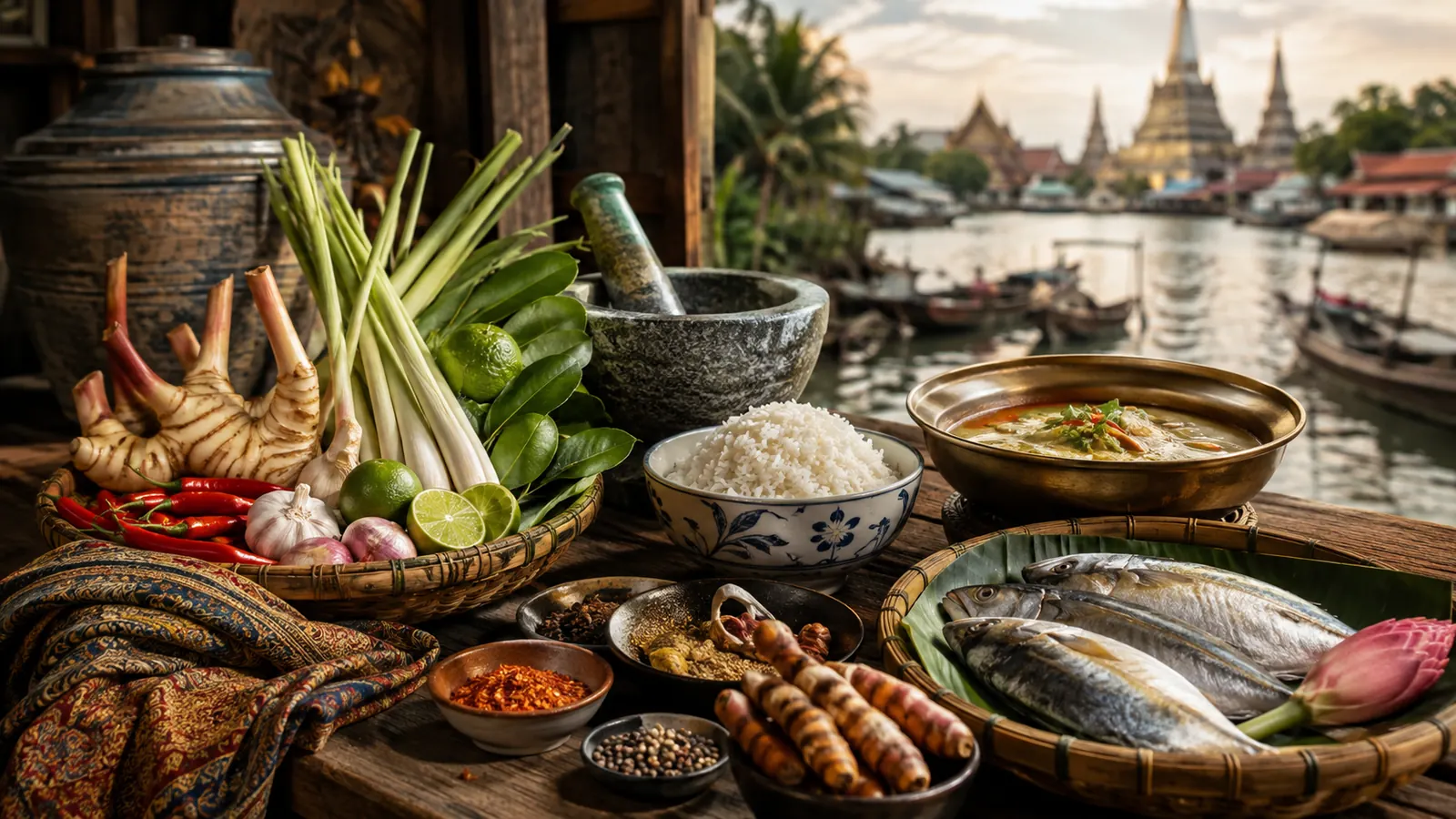
Dishes, Ingredients & Street Food
Curries, Soups, Noodles & Culinary Foundations
8 stories
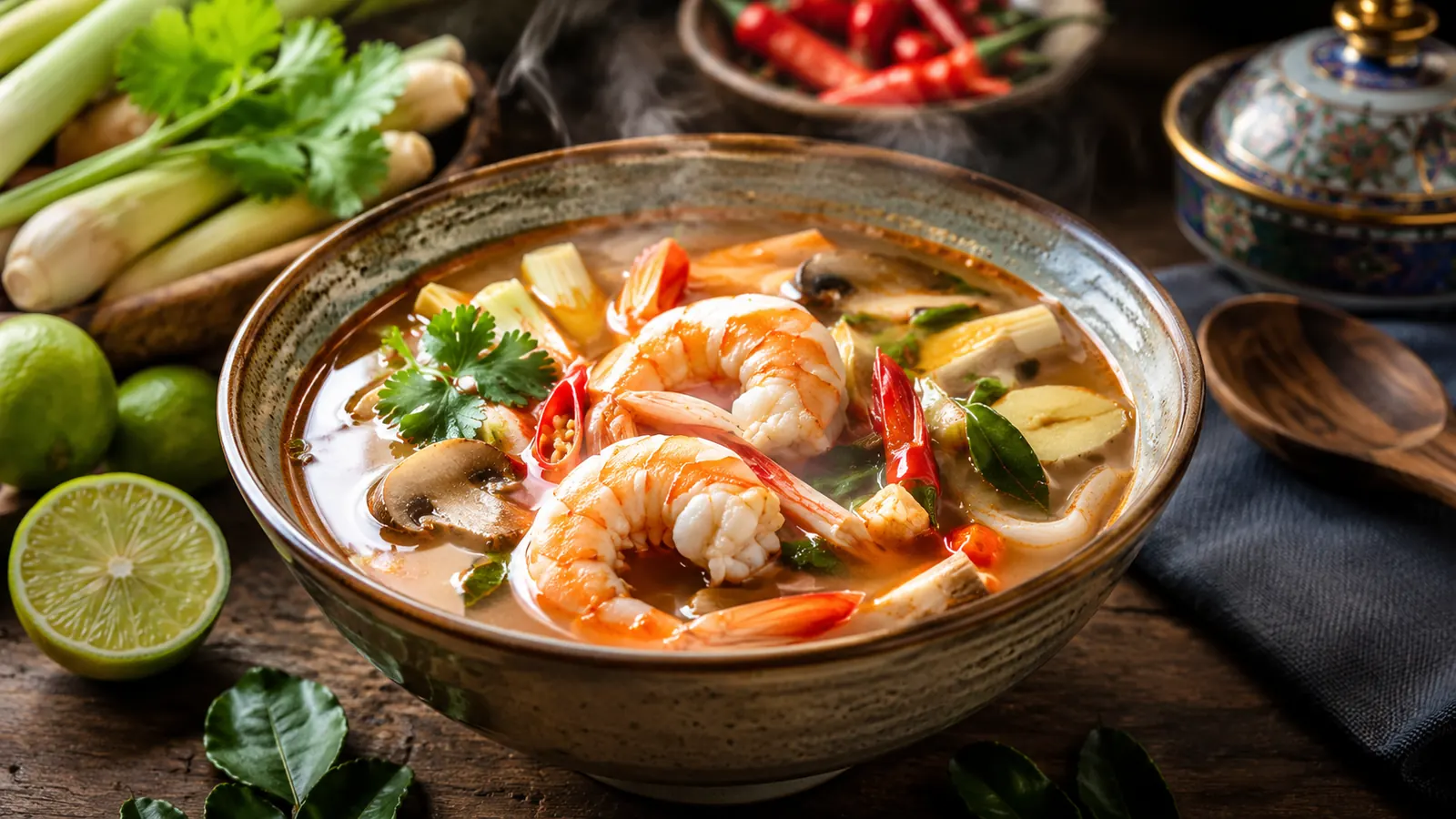
Tom Yum: How Thailand’s Famous Soup Took Shape
Tom yum is one of Thailand’s most recognisable flavours, but the soup did not appear fully formed in a single recipe book. Its story runs through riverside kitchens, older fish soups, changing cookbooks, fresh Thai herbs and generations of cooks who kept adjusting the dish. Tom yum kung became the world-famous version — and in 2024, UNESCO recognised the living knowledge and traditions behind it.
Read story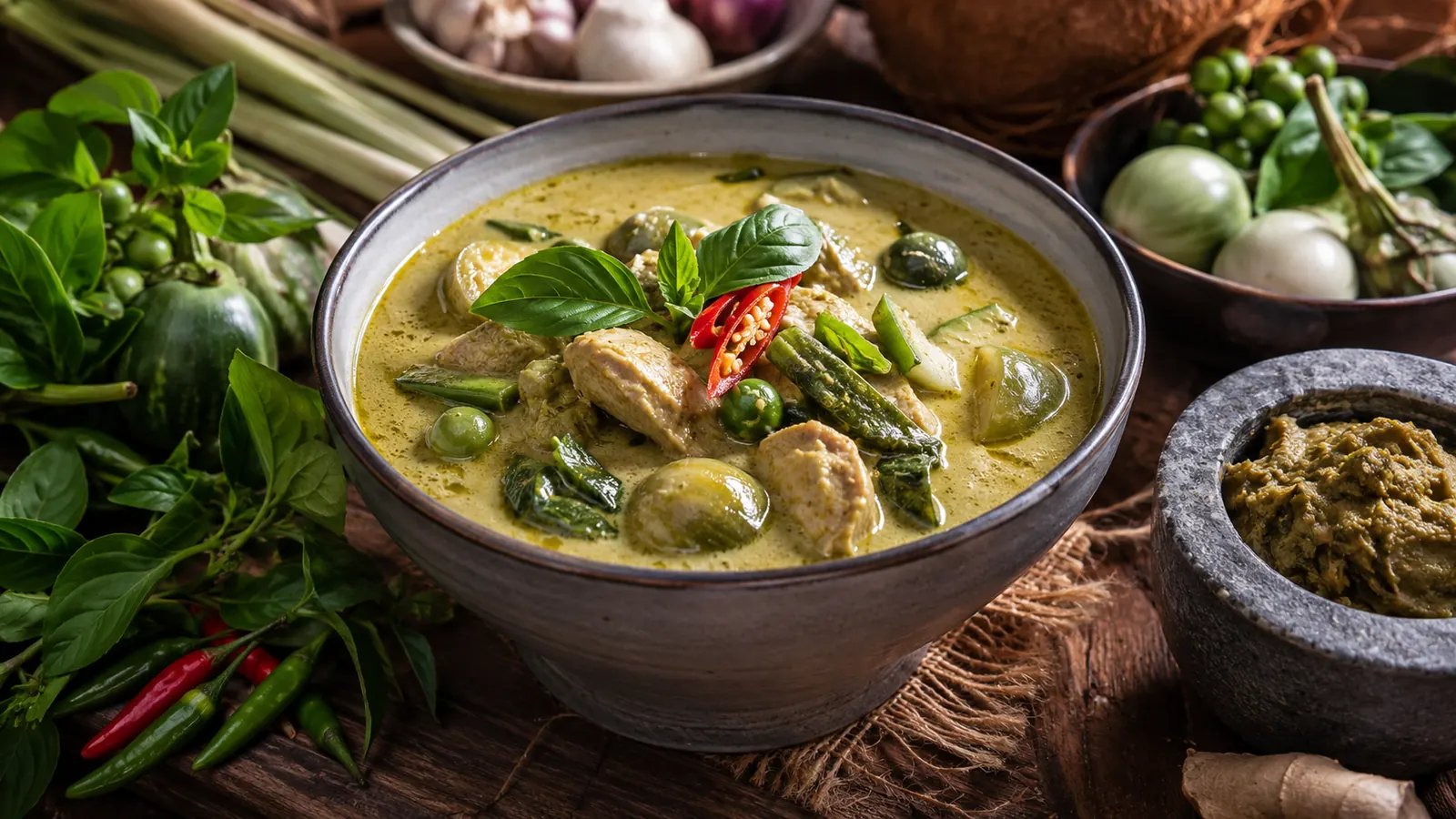
Green Curry: The Story Behind Gaeng Keow Wan
Kaeng khiao wan feels timeless, yet its written history is surprisingly recent. The curry appears to have taken recognisable form in the early twentieth century, building on older Thai curry traditions while using fresh green chillies to create something visually and aromatically distinct. Its story is less about one inventor than about Thai cooks refining an idea until a new classic emerged.
Read story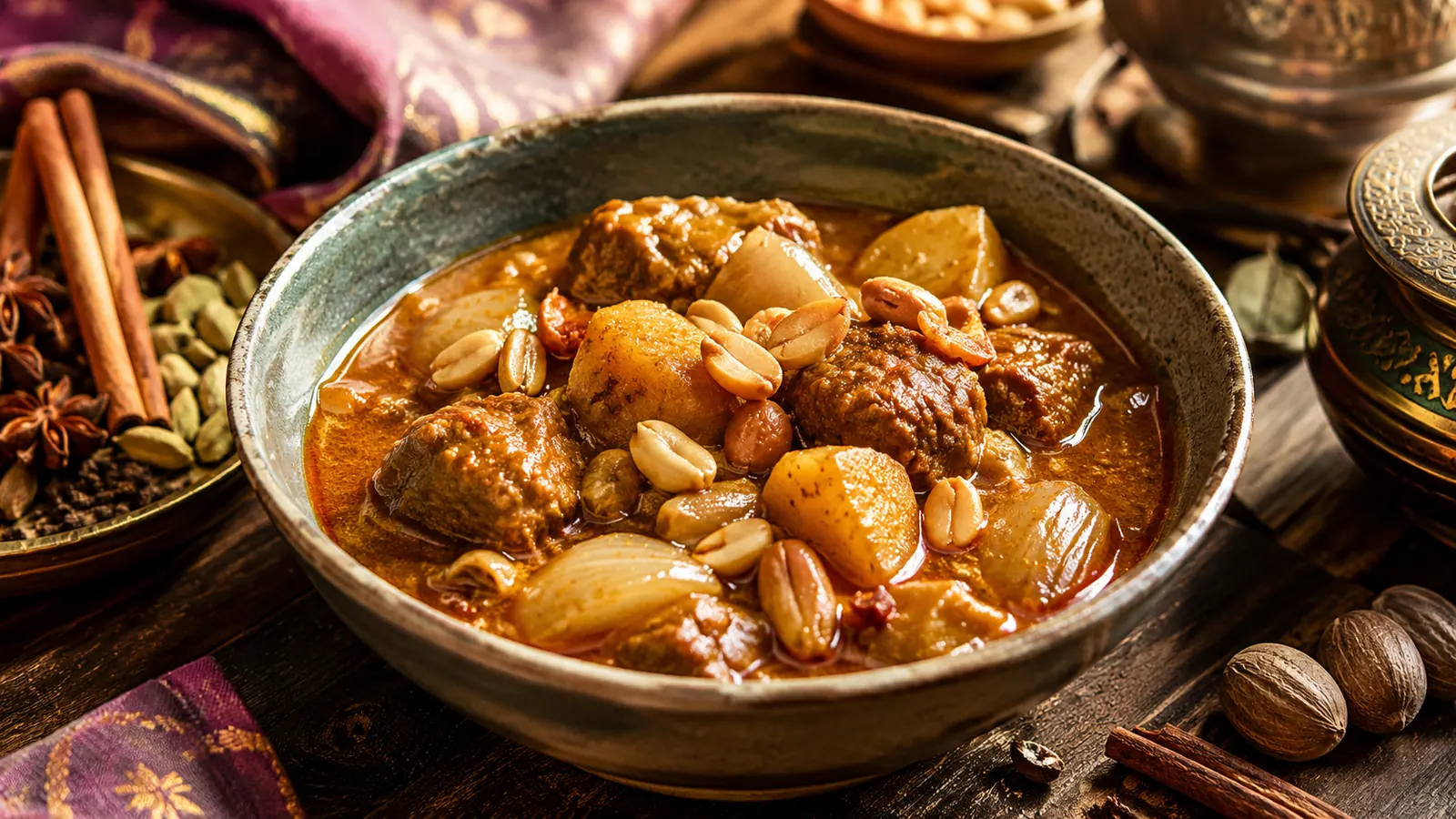
Massaman Curry: Thailand’s Curry With a Global Past
Massaman is unmistakably Thai, yet its story reaches far beyond one kingdom or one trade route. Persian and other Muslim communities in Siam, Indian Ocean commerce, Malay connections, royal kitchens and generations of Thai cooks all belong to its history. The result is not a foreign curry preserved in Thailand, but a Thai dish built through centuries of confident adaptation.
Read story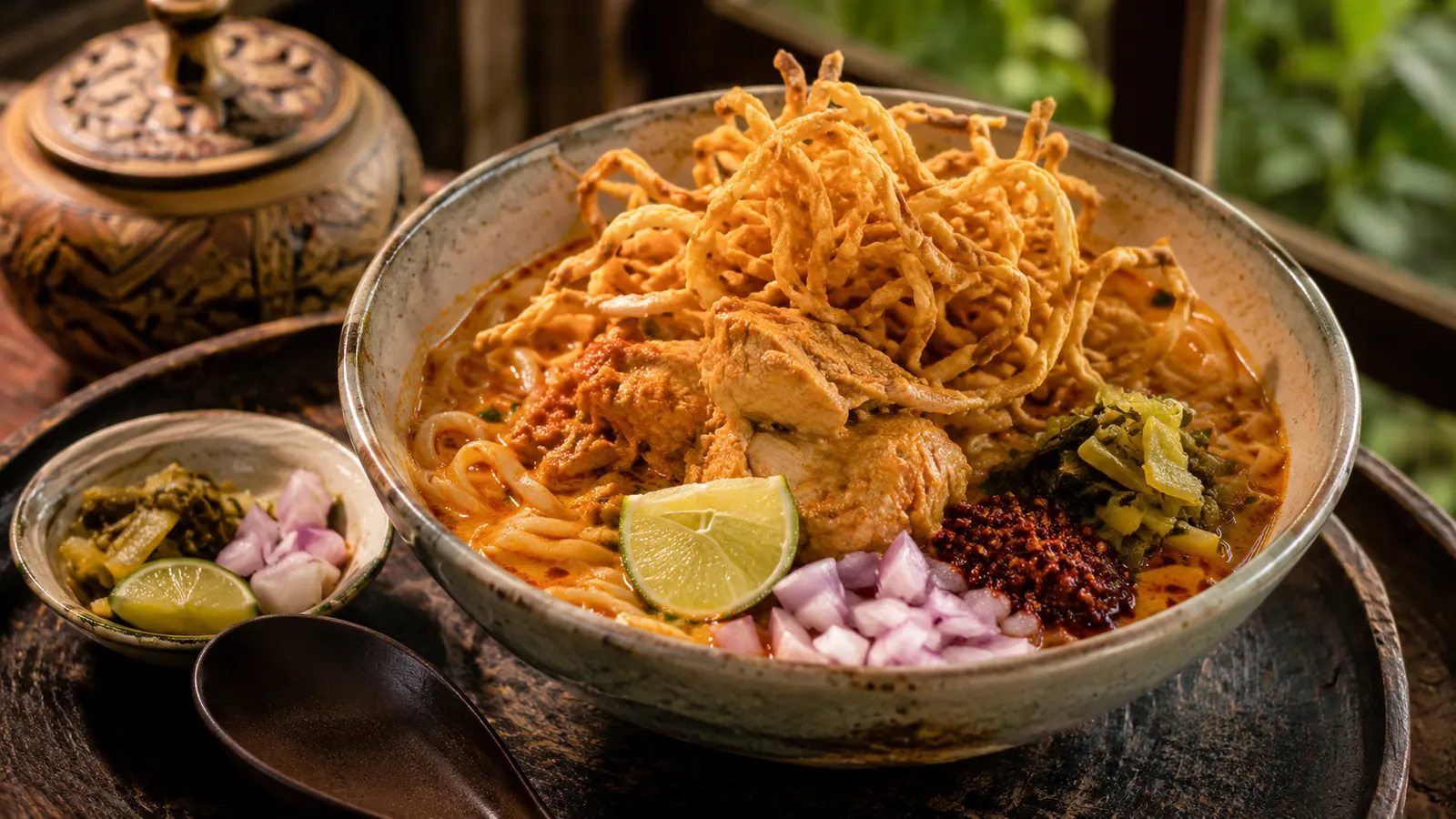
Khao Soi: The Northern Noodle Dish With Many Journeys
Khao soi is now inseparable from Chiang Mai, but its history crosses Yunnanese Muslim, Shan, Burmese and Lanna food worlds. The strongest evidence points not to one inventor or one birthplace, but to generations of northern cooks turning borderland exchange into a dish distinctly their own.
Read story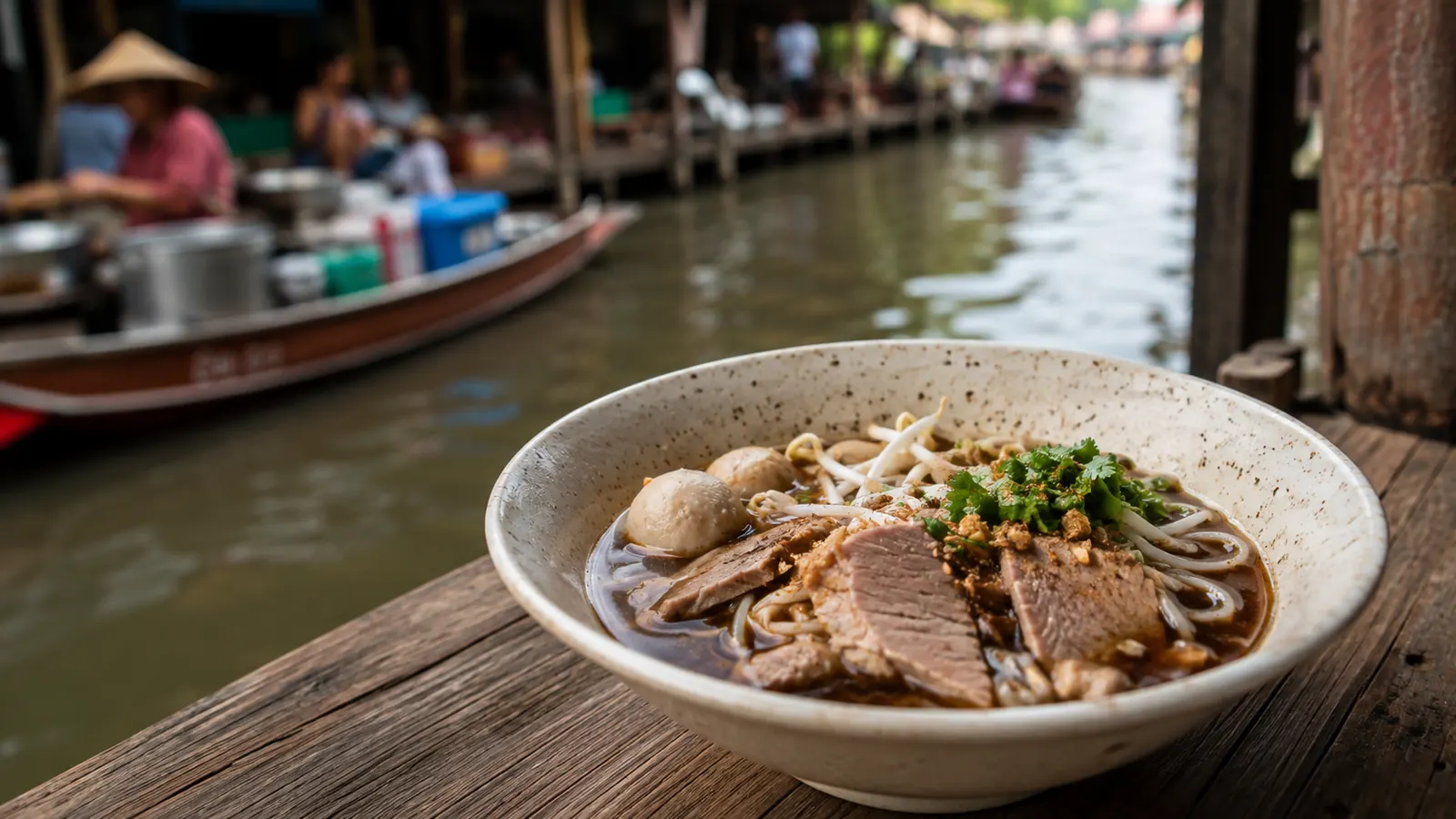
Boat Noodles: From Bangkok’s Canals to a National Favourite
Boat noodles grew from Central Thailand’s waterborne food economy, an already established noodle culture and generations of mobile vendors. Their history connects Ayutthaya, Rangsit and Bangkok without needing a single inventor or a mythical ancient birth date.
Read story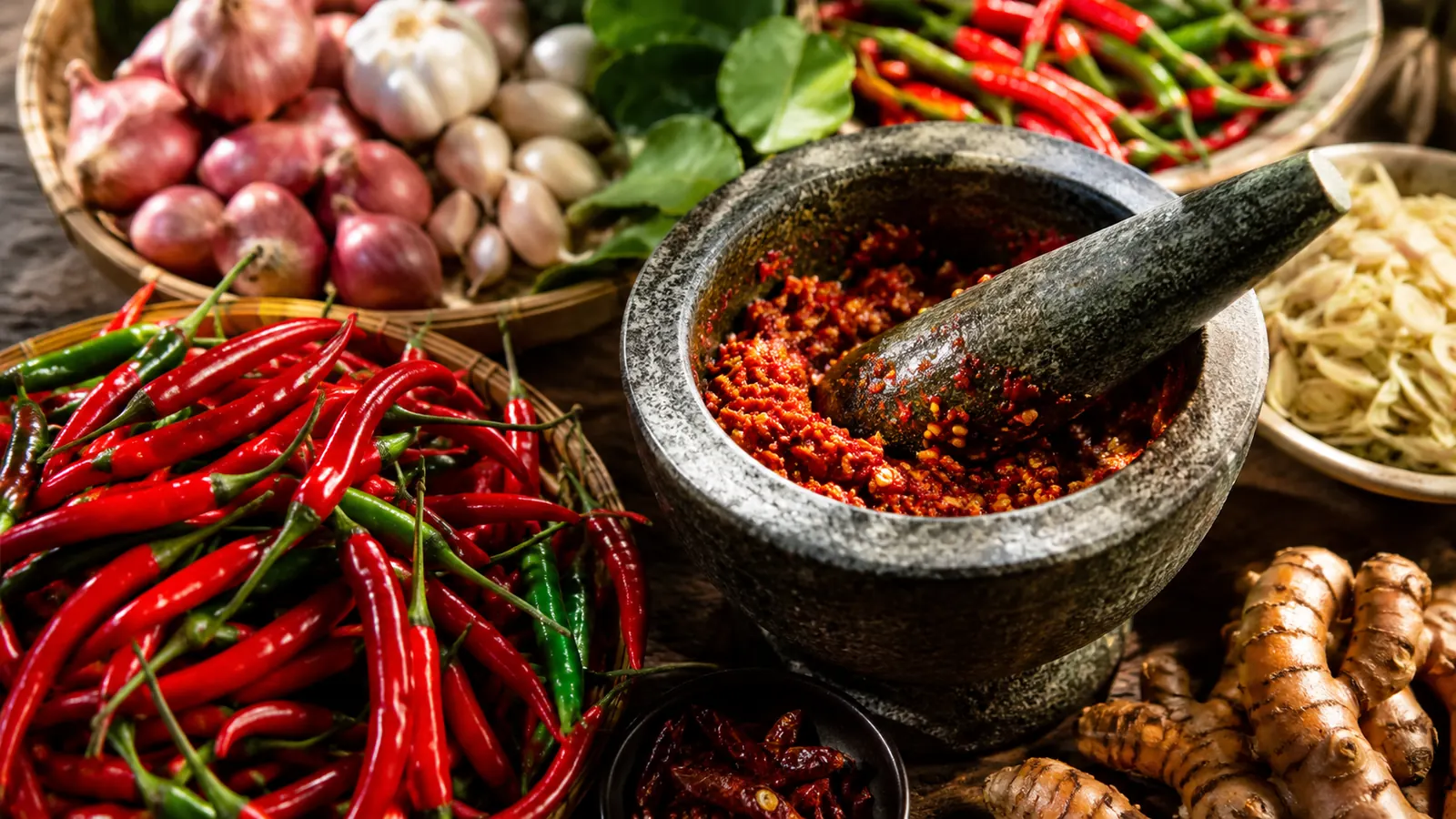
Chillies: The Ingredient Thailand Made Its Own
Chillies originated in the Americas, but their Thai story is about what happened after they entered Asian trading networks. Over generations, Thai farmers and cooks selected, adapted and transformed Capsicum until it became part of the everyday language of regional Thai cooking.
Read story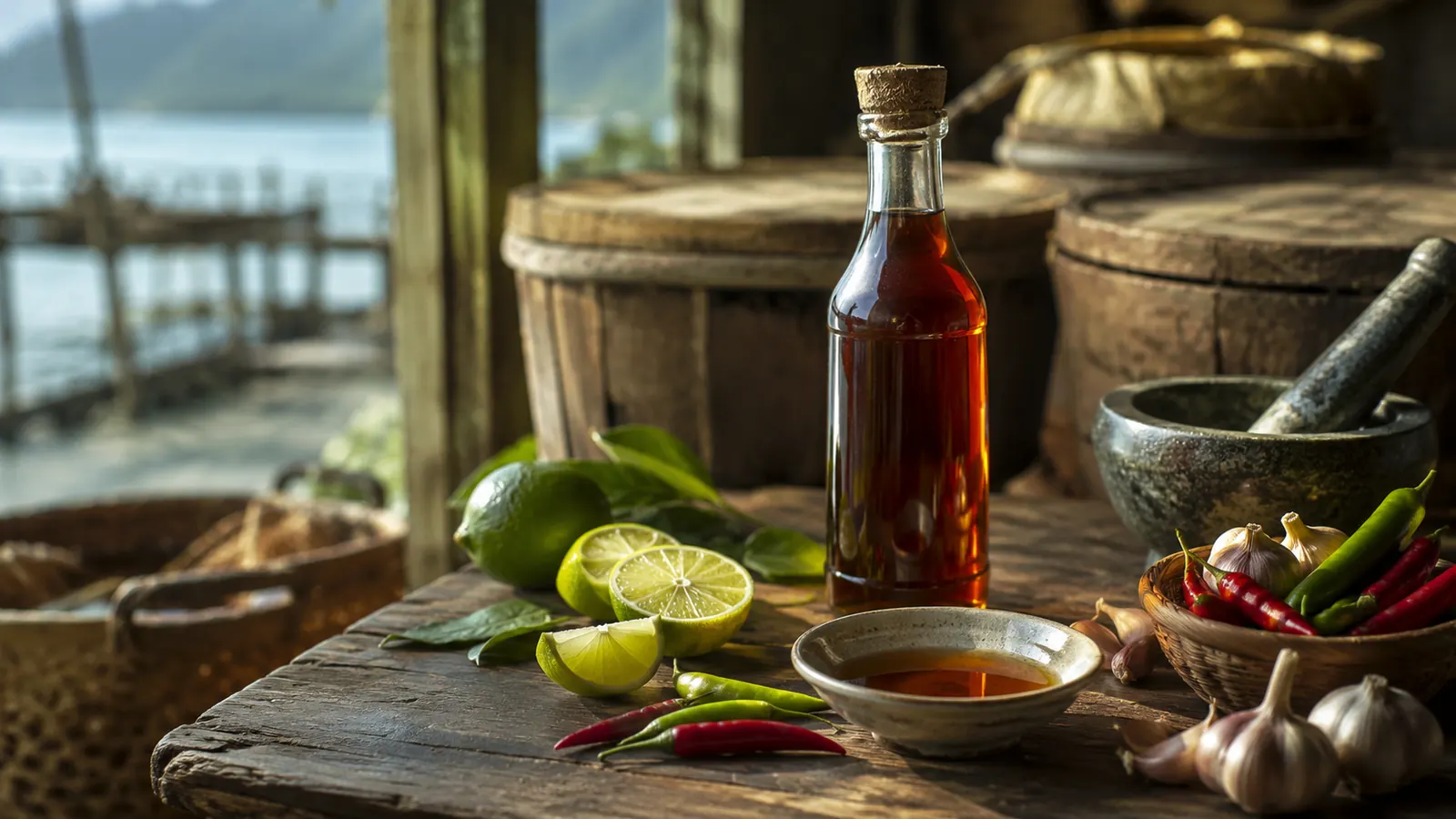
Fish Sauce: The Ingredient Behind So Much Thai Food
Nam pla belongs to a much older Southeast Asian world of fish, salt and fermentation, while the modern bottled industry developed later through coastal resources, Chinese-Thai enterprise and regional exchange. Its history explains how an ancient preservation logic became one of Thai cooking’s quiet everyday foundations.
Read story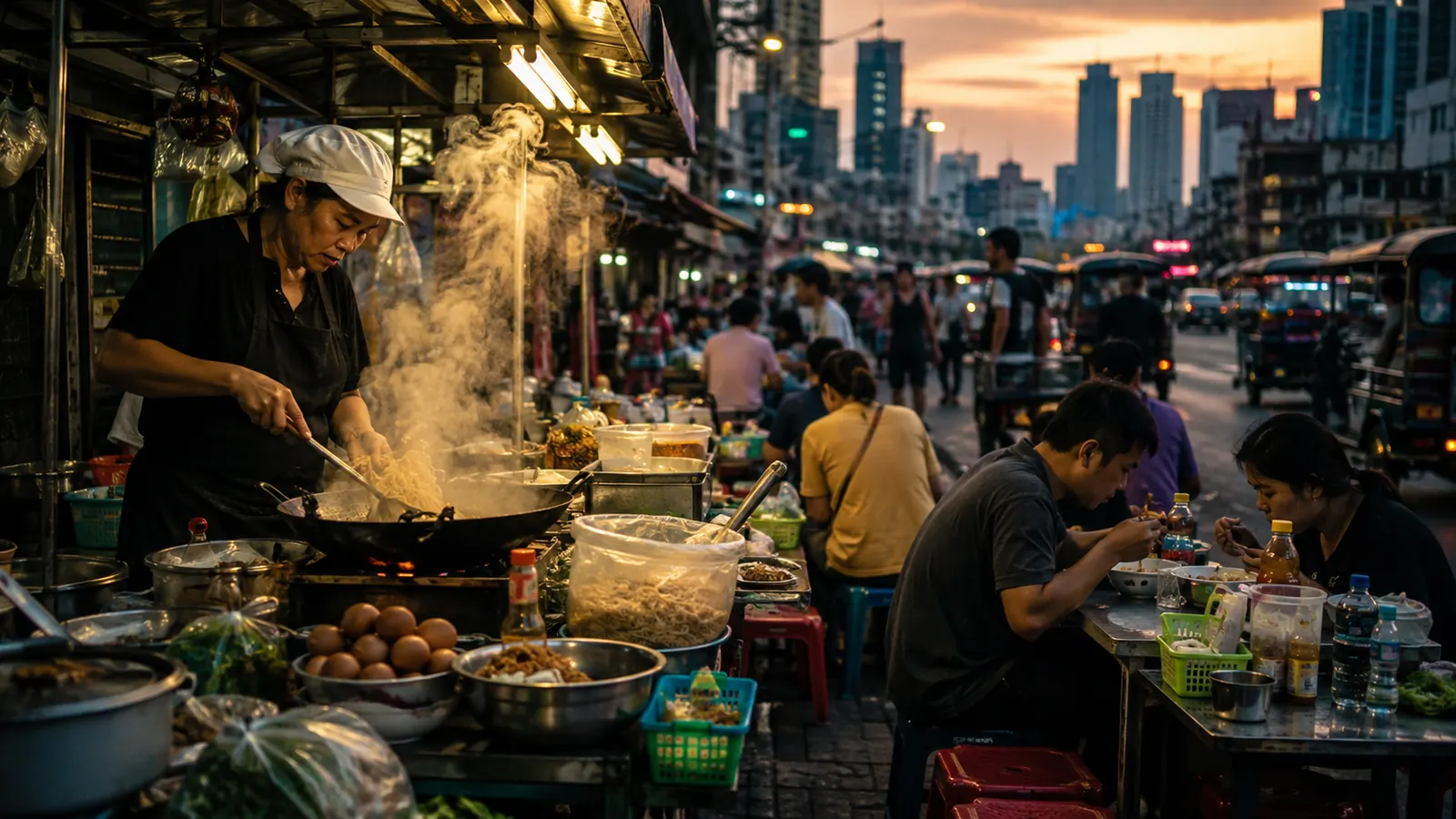
Bangkok Street Food: How the City Learned to Eat Outside
Bangkok’s street-food culture began before the modern pavement, when canals carried vendors, ingredients and prepared meals through the city. Roads, migration, markets, work patterns and regulation changed the form over time, but the underlying idea remained: bring food to where Bangkok moves.
Read story