LIFE IN THAILAND • EDITORIAL LIBRARY
Understand Thailand
Go beyond the practicalities and explore the stories, traditions, beliefs, relationships and ideas that shape Thailand — from everyday life to the things the country has given the world.
 27 articles
Everyday Customs & Life
Thailand Explained
Clear answers to the everyday questions visitors ask about Thailand — customs, language, food, beliefs, transport and daily life.
 10 articles
Global Cultural Roots
Thai Origins
The origins, heritage, and global journeys of iconic traditions, dishes, crafts, and innovations that started in Thailand and conquered the world.
 9 articles
Culinary Heritage & Origins
Food History
Trade, migration, royal kitchens, regional traditions and generations of cooks shaped Thai cuisine into one of the world's great culinary cultures.
 3 articles
Wildlife & Natural Habitats
Nature & Wildlife
A practical, realistic look at wildlife, animal safety, and everyday nature encounters across Thailand.
 20 articles
Heritage & Context
Thailand History
Thailand's history, beliefs, regional identity and the forces that shaped the country visitors see today.
 20 articles
Beliefs & Traditions
Buddhism in Thailand
Explore the beliefs, practices, temples, traditions and everyday influence of Theravada Buddhism in Thailand.
 21 articles
Relationships & Society
Dating & Social
Practical, respectful guides to dating, relationships and social life in Thailand.
 20-part series
Flagship Long-Form Series
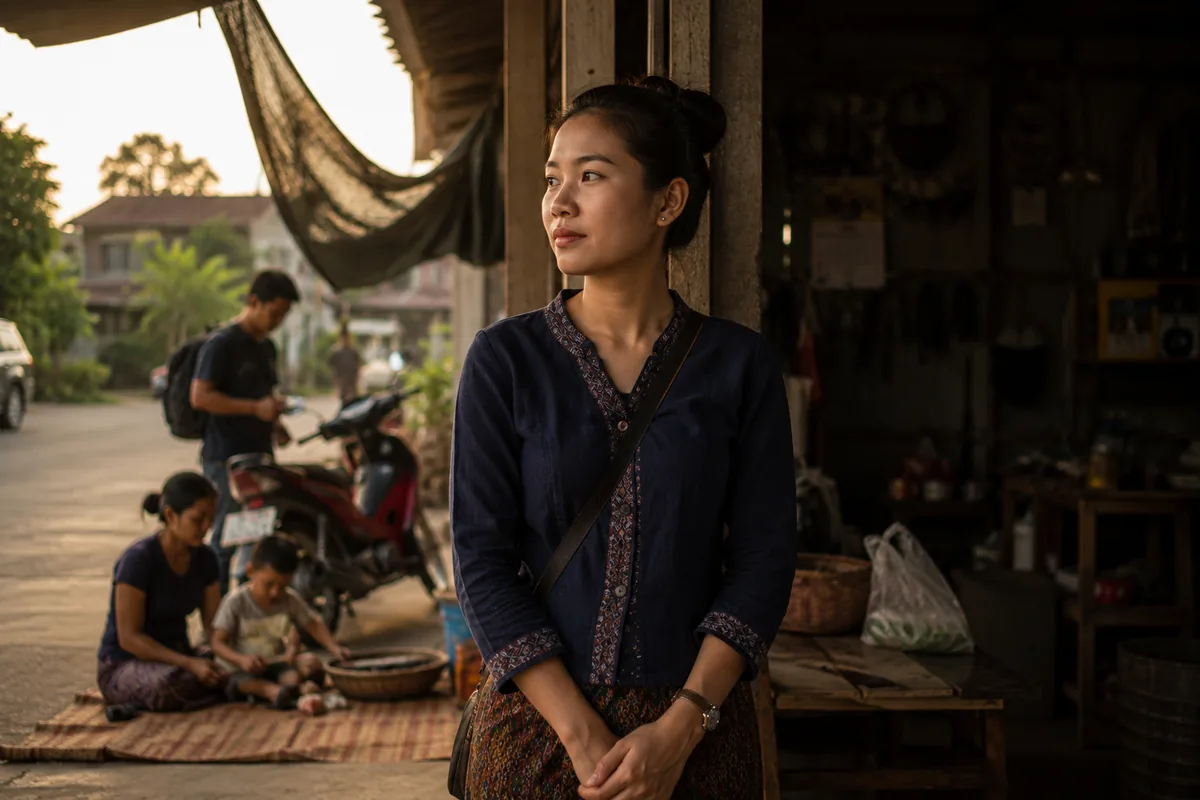
The Elephant in the Room
A twenty-part Thailand4U series on dating, age, money, culture, migration, family and belonging — without reducing either partner to a stereotype.
 5-part series
Editorial Series
The Isaan Connection
A five-part Thailand4U series on migration, labour, family networks and Thai–Western relationships across Northeast Thailand.
 Flagship guide
Public Health & Society
How Healthcare Works for Thai Citizens
A practical look at Thailand's public health system — Universal Coverage, Social Security, civil-service benefits and why broad coverage does not make every bill disappear.
 Flagship guide
THAILAND HISTORY
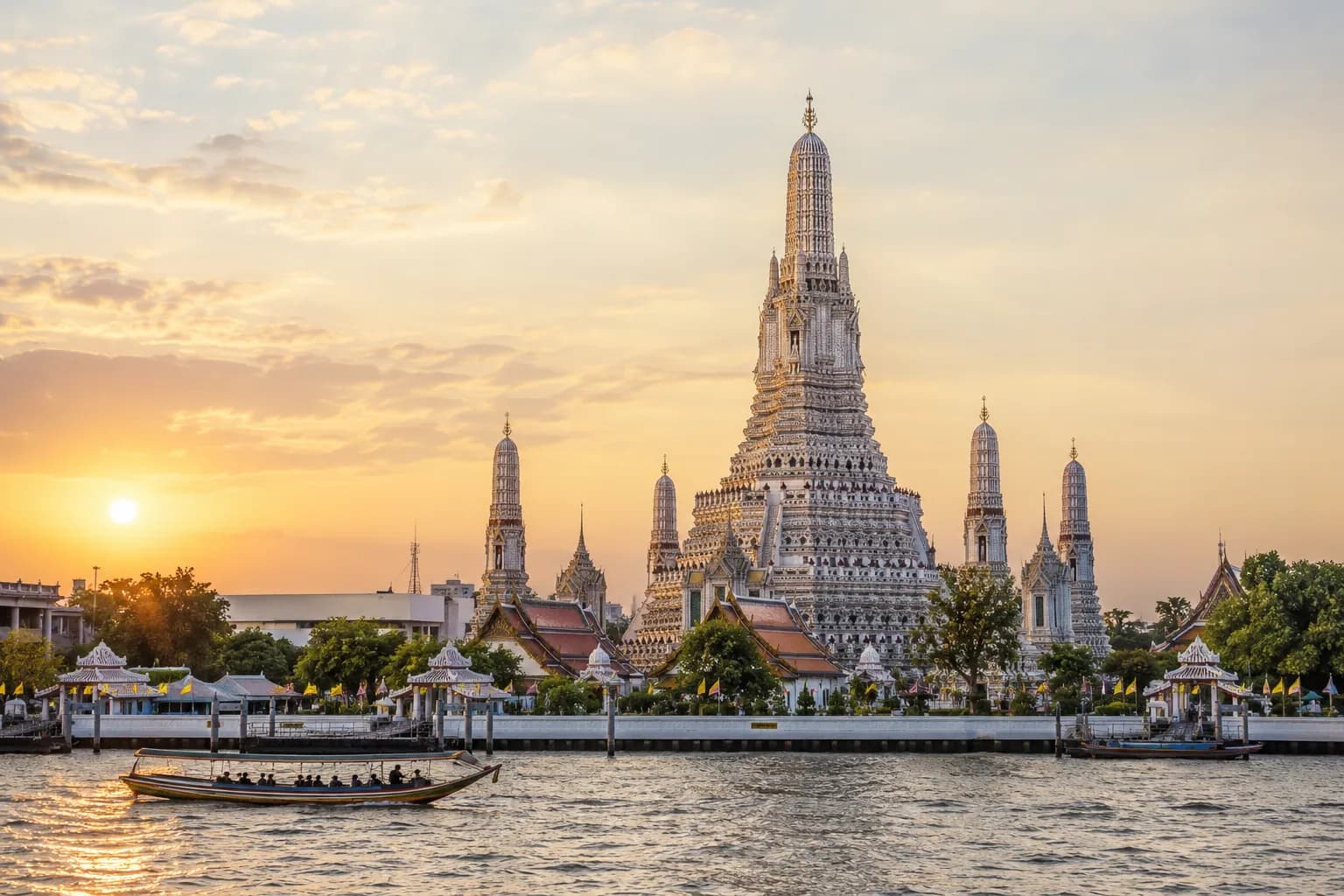
Wat Arun: The Temple That Watched Bangkok Begin
Before it became one of Thailand's most recognisable landmarks, Wat Arun stood beside a different capital, inside a royal palace compound, and for a few extraordinary years housed the Emerald Buddha.
 Flagship guide
THAILAND HISTORY
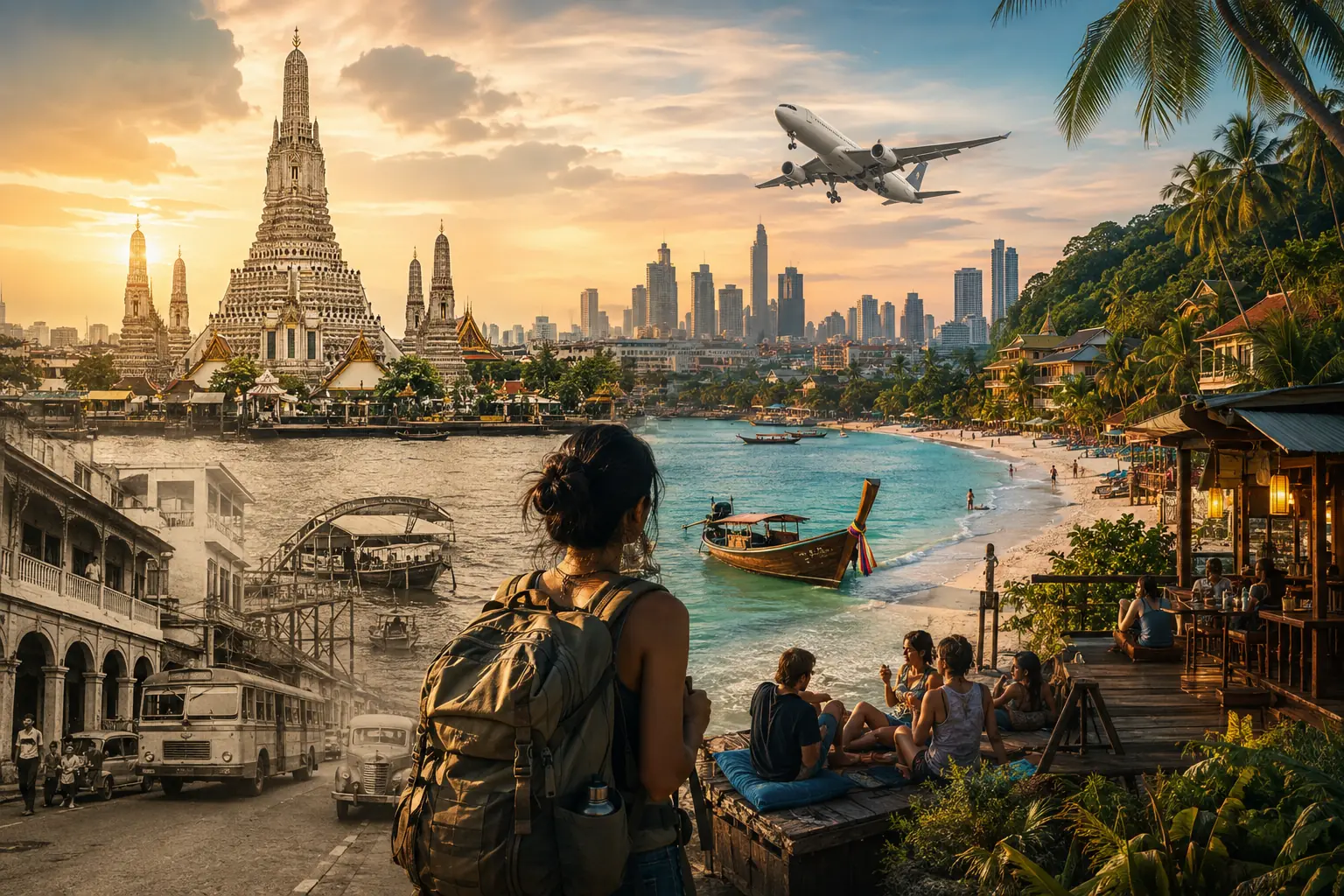
How Thailand Became One of the World’s Great Tourist Destinations
Thailand did not become a tourism giant because travellers simply discovered it. The Thailand that millions of visitors know today was built over decades — through airports and roads, hotels and government promotion, wars and package holidays, backpackers and beach resorts, low-cost airlines and the rise of Asia’s travelling middle class.
 Flagship guide
THAILAND EXPLAINED
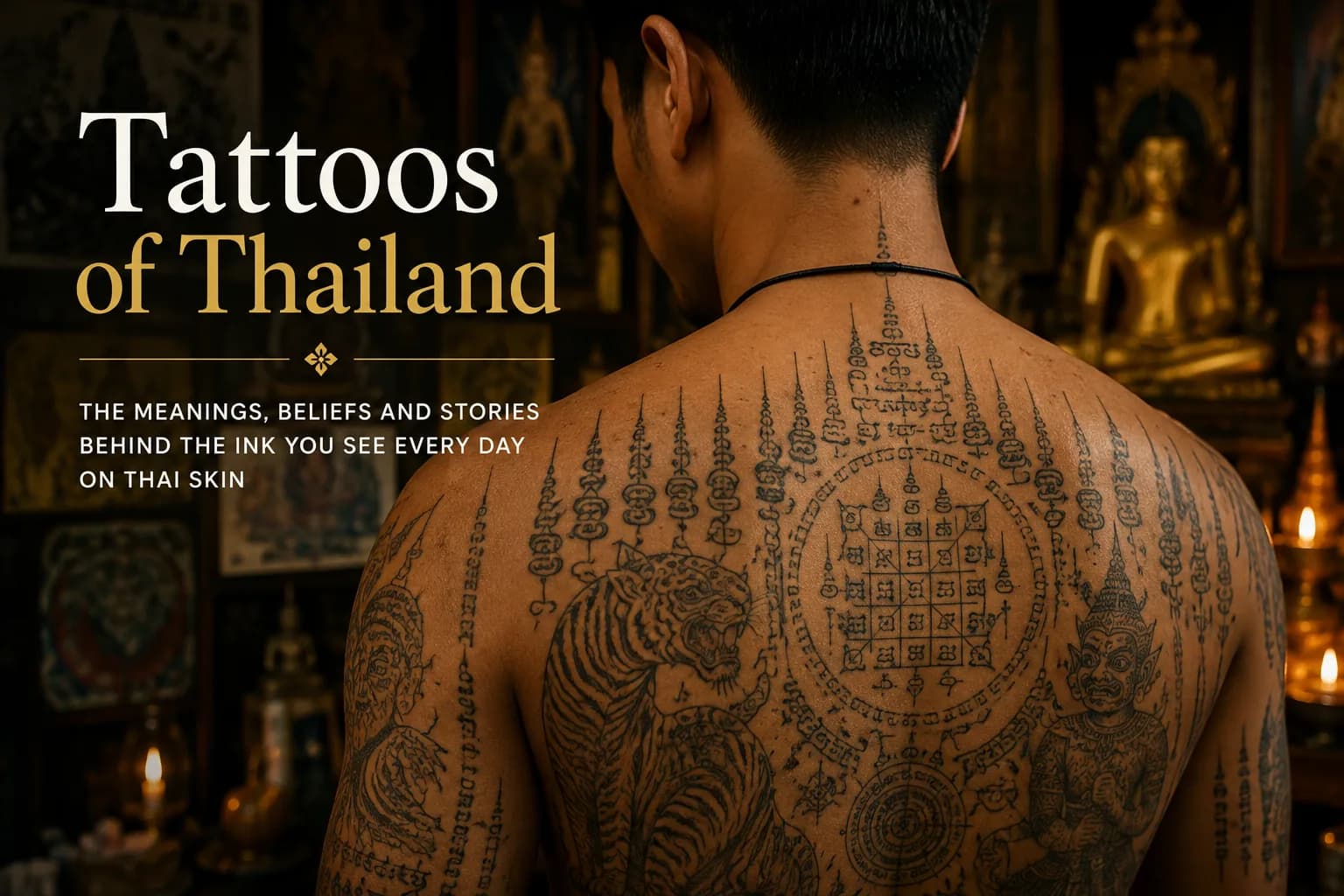
Sacred Ink: The Many Tattoo Stories of Thailand
Look closely at tattooed skin in Thailand and the designs can tell very different stories — from sacred sak yant and protective yantra to modern body art, identity and personal style.
 Flagship guide
THAILAND EXPLAINED
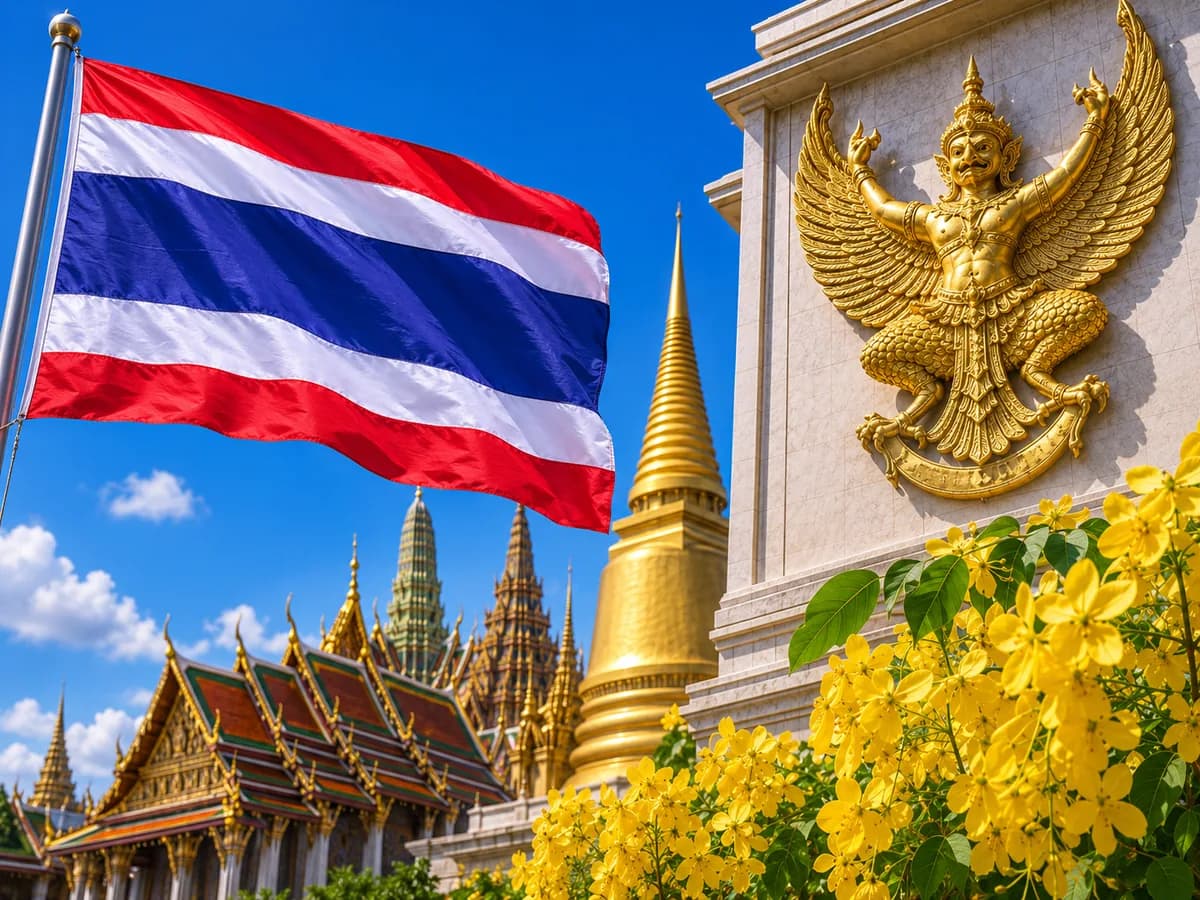
What Makes Thailand Thailand? The Symbols of a Nation
From the tricolour and national anthem to the Garuda, elephant, ratchaphruek, Sala Thai and newer identity markers, Thailand’s symbols represent different layers of the country — each with its own history, role and meaning.
 Flagship guide
THAILAND EXPLAINED
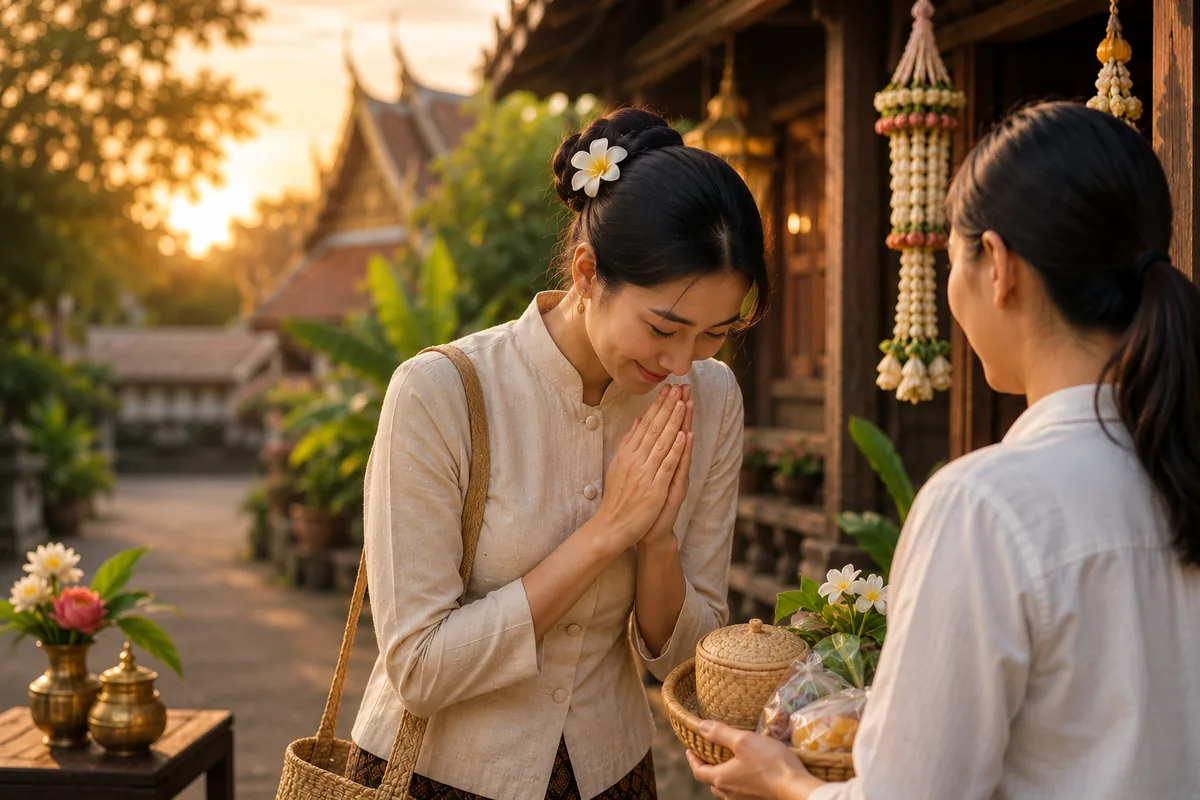
Kreng Jai: The Thai Idea That Is Almost Impossible to Translate
Kreng jai is one of Thailand’s most difficult social ideas to translate. It is about consideration, social sensitivity and making room for another person’s feelings, comfort and position — with meaning that changes according to relationship, context and situation.
 Flagship guide
DATING & SOCIAL
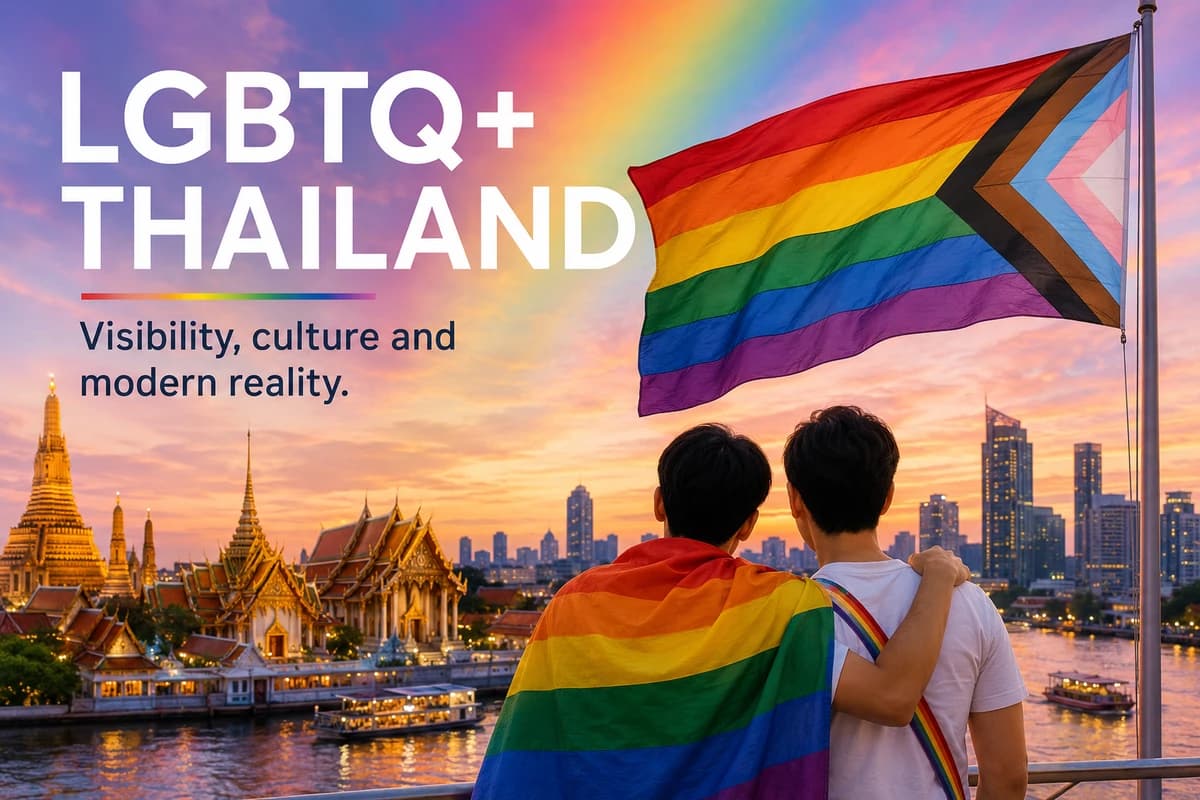
LGBTQ+ Thailand: Visibility, Culture and Modern Reality
Thailand is widely known for visible gender and sexual diversity, and in 2025 it became the first country in Southeast Asia to introduce marriage equality. Yet the most interesting story is not a simple one of “tolerance” or “acceptance”. Thai identities, local language, family life, law, media and public culture have developed at different speeds — creating an LGBTQ+ landscape that is distinctly Thai and still evolving.
 Flagship guide
NATURE & WILDLIFE
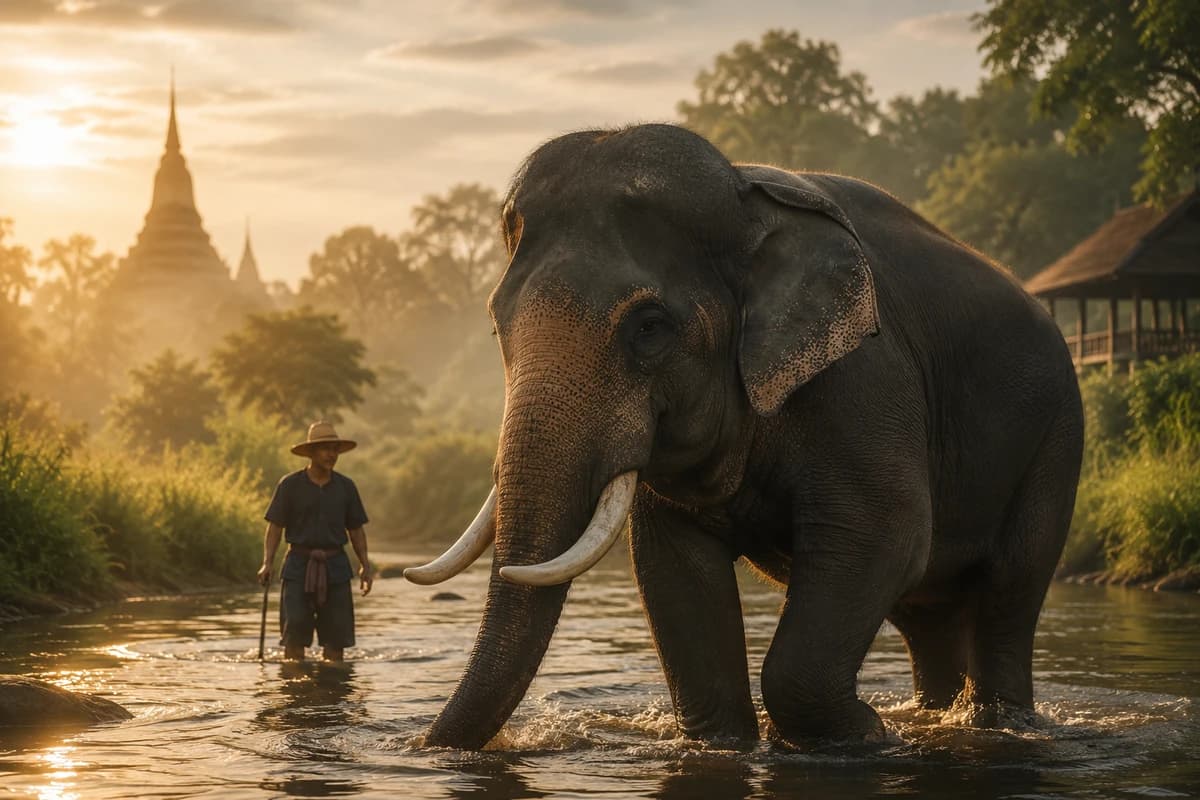
The Elephant and Thailand: From Working Animal to National Icon
Few animals are as closely associated with Thailand as the elephant. Its place in Thai life has changed repeatedly — from royal symbol and battlefield mount to forest worker, tourism icon and conservation priority — yet the relationship has never disappeared.