THAILAND4U NIGHTLIFE • EDITORIAL HISTORY

Thailand Nightlife History

From Cold War rest-and-recreation strips and vintage Sukhumvit coffee shops to legendary neon landmarks. Discover the cultural, social, and economic forces that shaped Thailand’s nightlife districts across six major destinations.

14 Stories Published14-Part Historical Series6 Destinations

EDITORIAL APPROACH

Why Nightlife History Matters

Thailand’s nightlife is often discussed solely in terms of its current venues. Our historical series documents the underlying urban, social, and economic developments that created these entertainment corridors.

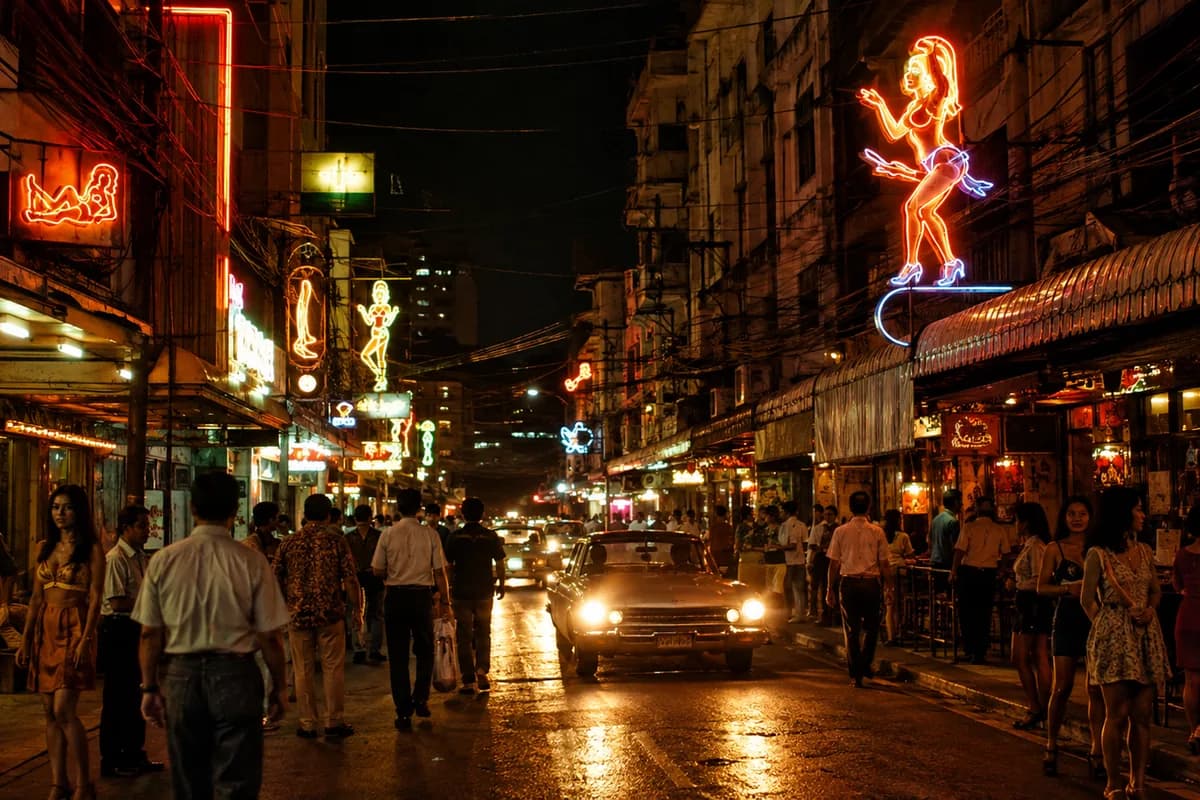
Cold War & R&R Origins

How the Vietnam War and American military presence accelerated the growth of New Phetchaburi, Patpong, and Pattaya’s beachfronts.

Urban Transformation

How transit infrastructure (BTS/MRT), tourism booms, and commercial redevelopments shifted nightlife centers across the capital.

Regional Emergence

How Phuket, Chiang Mai, Hua Hin, and Koh Samui developed their own distinct island, mountain, and seaside entertainment cultures.

Responsible Documentation

Neutral, fact-checked historical analysis contextualizing why districts existed without commercial promotion.
Filter By DestinationShowing 14 of 14 available articles

Published Nightlife History Articles

Independent historical research, archival retrospectives, and cultural context.

From Eden Club to Red Fern: How a Bangkok Nightlife Concept Survived Its Famous Name
bangkokHistory

From Eden Club to Red Fern: How a Bangkok Nightlife Concept Survived Its Famous Name

For more than two decades, one narrow shophouse on Sukhumvit Soi 7/1 carried one of Bangkok's most distinctive adult-nightlife identities. Eden Club became so influential that the soi itself was nicknamed Soi Eden. Marc sold the business in 2010, Eden gradually lost its old dominance, and COVID finally ended the name at the original premises. Then Red Fern appeared in the same location, using a strikingly familiar private-room, multi-provider format. The building survived. Much of the idea survived. Eden Club itself did not.

7 min readRead Story
Nana Plaza: How a Bangkok Shopping Centre Became a Nightlife Landmark
bangkokHistory

Nana Plaza: How a Bangkok Shopping Centre Became a Nightlife Landmark

Long before Nana Plaza became one of Bangkok’s best-known nightlife landmarks, the courtyard on Sukhumvit Soi 4 was a modest commercial complex of shops, restaurants and everyday businesses. Its transformation tells a wider story about how Sukhumvit changed from an expanding hotel district into one of the city’s most international after-dark corridors.

7 min readRead Story
Soi Cowboy: How a Quiet Sukhumvit Lane Became a Bangkok Nightlife Landmark
bangkokHistory

Soi Cowboy: How a Quiet Sukhumvit Lane Became a Bangkok Nightlife Landmark

Soi Cowboy is only a short lane between Asok and Sukhumvit Soi 23, yet its name became known far beyond Bangkok. Its history is more complicated than the familiar story of one American in a cowboy hat: an earlier bar appears to have come first, the street grew gradually after the Vietnam War-era R&R years, and Bangkok’s changing transport, tourism and urban geography turned a local nickname into an international landmark.

7 min readRead Story
Thaniya Road: How Japanese Business Culture Shaped a Bangkok Nightlife District
bangkokHistory

Thaniya Road: How Japanese Business Culture Shaped a Bangkok Nightlife District

Thaniya Road sits only a few steps from Patpong, yet its history followed a very different path. What began around an office building created with Japanese partners became a small Japanese-language commercial world of restaurants, businesses and nightlife. Its rise tracks the growth of Japanese investment in Thailand, the culture of corporate entertaining, karaoke’s arrival in Bangkok, and the changing relationship between two countries over more than half a century.

7 min readRead Story
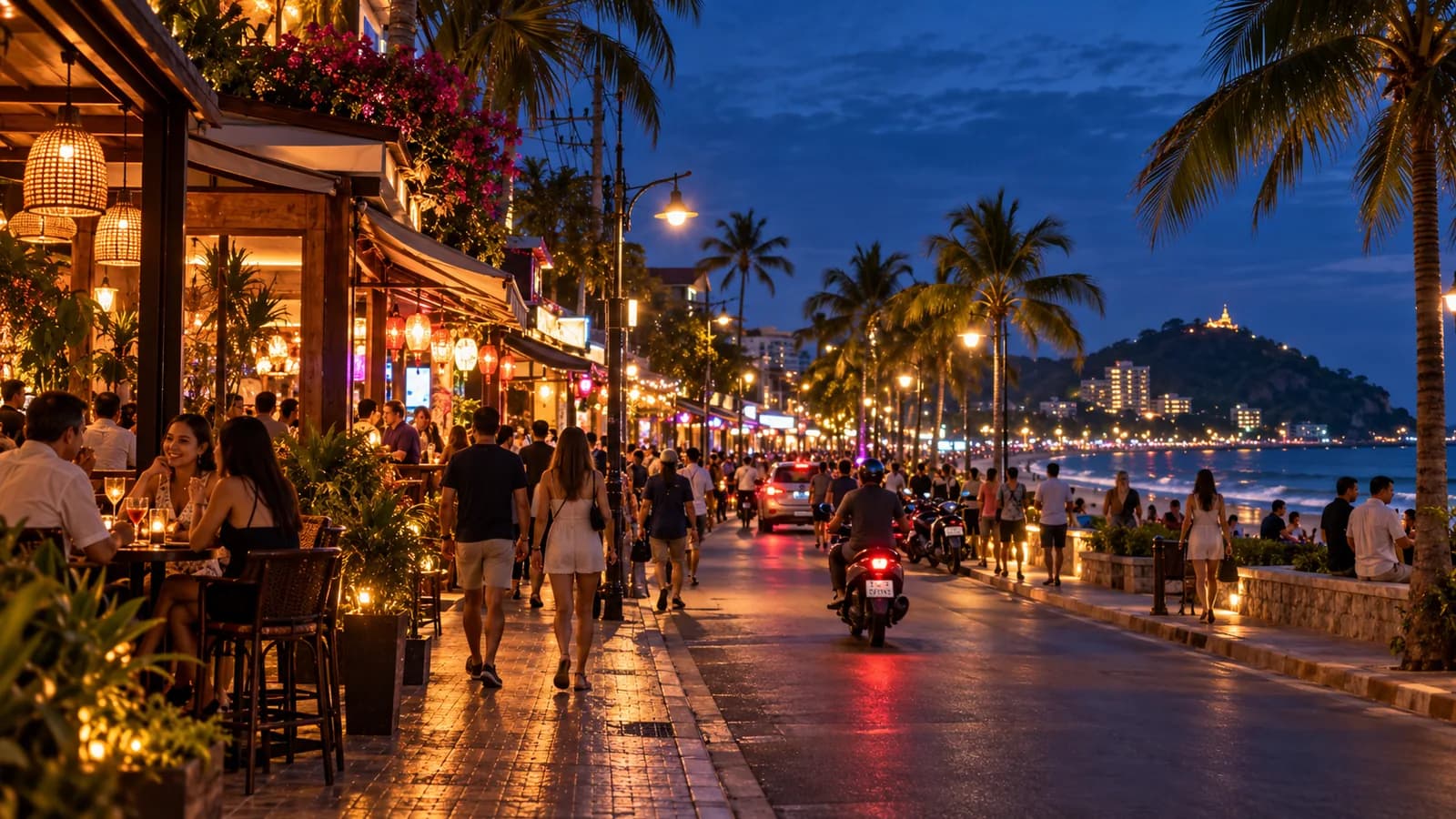
Walking Street Pattaya: How a Waterfront Road Became a Nightlife Landmark
pattayaHistory

Walking Street Pattaya: How a Waterfront Road Became a Nightlife Landmark

Walking Street did not begin as a purpose-built nightlife attraction, and its history cannot be reduced to a single Vietnam War origin story. The South Pattaya waterfront changed in stages: military-era visitors accelerated Pattaya’s tourism economy, bars and restaurants multiplied after the peak R&R years, and in the 1990s a road facing environmental and planning pressures was deliberately remade as a pedestrian tourist district. The result was a street whose name eventually became more famous than the road it replaced.

7 min readRead Story
Soi 6 Pattaya: How Soi Yodsak Became a Distinctive Nightlife Street
pattayaHistory

Soi 6 Pattaya: How Soi Yodsak Became a Distinctive Nightlife Street

Soi 6 is now one of Pattaya’s most recognisable nightlife streets, but the evidence does not support a neat single-date origin story. Its older name, Soi Yodsak, belongs to a street that was once more mixed in use, later became increasingly specialised around bars, and was reshaped again by concentrated investment, changing European visitor markets, infrastructure upgrades and the shock of COVID-19. Its history is less about one legendary venue than about how an ordinary side street became an unusually concentrated tourism economy.

7 min readRead Story
Pattaya’s Beer Bars: How the Open-Air Bar Became Part of the City’s Identity
pattayaHistory

Pattaya’s Beer Bars: How the Open-Air Bar Became Part of the City’s Identity

Pattaya’s beer bars are easy to overlook because they are rarely grand buildings. They are small, open to the street, often grouped beneath shared roofs, and constantly changing names. Yet that flexible format became one of the city’s most durable nightlife institutions. Its history runs from the post-R&R tourism boom through the great bar complexes of the 1980s and 1990s, the rise and fall of Soi 7, Soi 8 and Soi 2, the migration inland toward Soi Buakhao, and the disruptions of COVID-19.

7 min readRead Story
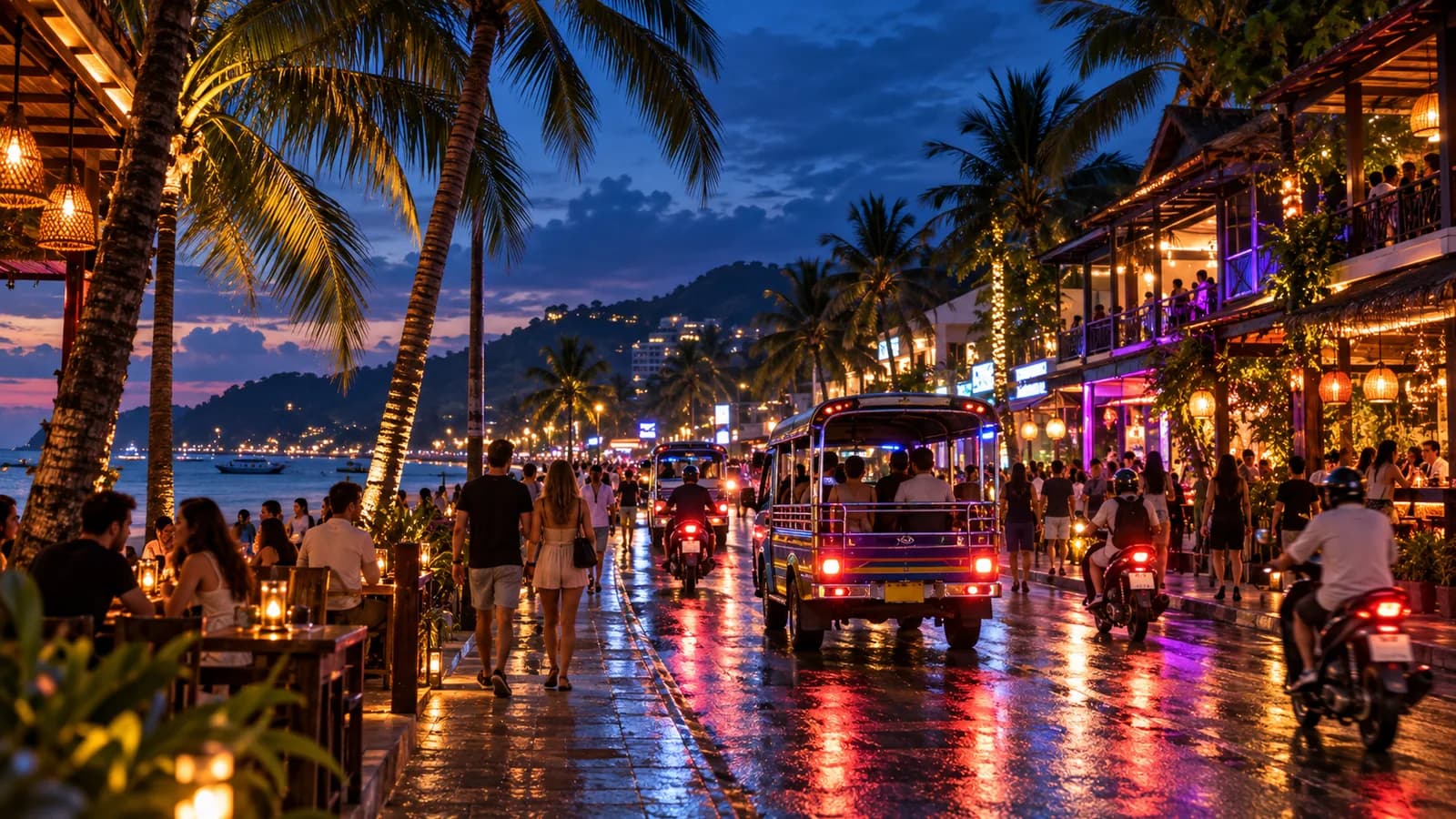
Bangla Road: How a Patong Side Street Became Phuket's Nightlife Capital
phuketHistory

Bangla Road: How a Patong Side Street Became Phuket's Nightlife Capital

Bangla Road did not begin as a purpose-built entertainment district. It grew inside Patong’s transformation from a small coastal settlement into Phuket’s largest tourism centre, then changed again as traffic was removed at night, the 2004 tsunami tested the resort’s resilience, shopping and hotel development intensified, and small bar lanes were joined by large international clubs. The result is a street whose history mirrors the rise of modern Patong itself.

7 min readRead Story
Patong After Dark: From Beach-Town Discos to International Club Culture
phuketHistory

Patong After Dark: From Beach-Town Discos to International Club Culture

Bangla Road is only one part of Patong’s nightlife story. Over three decades, the resort developed several different after-dark worlds: early discos, professional cabaret, live-music venues, a distinct LGBTQ+ community, small bars, large international clubs and increasingly specialised music scenes. Together they show how a beach resort’s nightlife moved from a loose collection of local businesses toward a complex tourism industry serving many different audiences.

7 min readRead Story
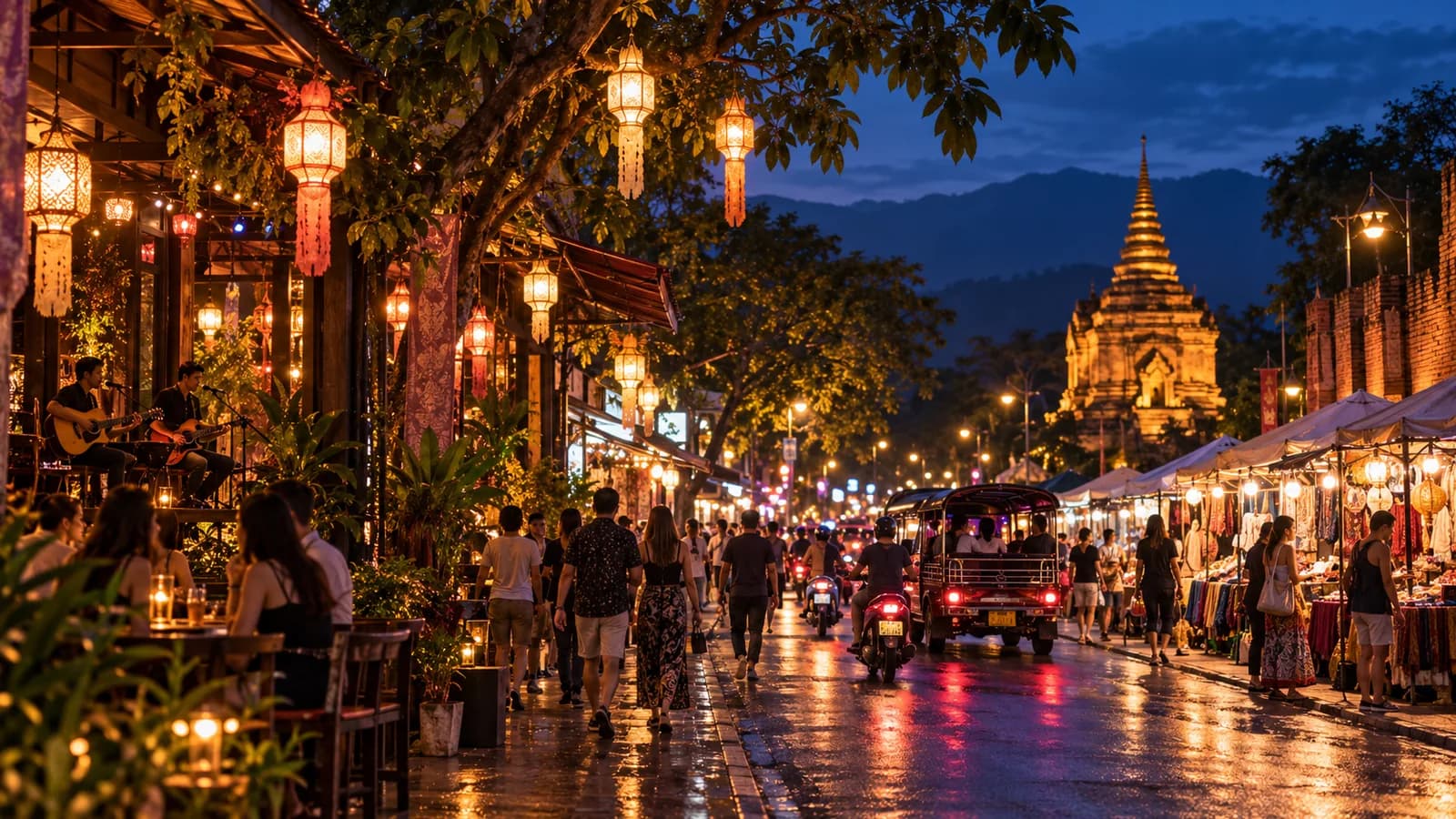
Chiang Mai After Dark: From the Night Bazaar to Nimman
chiang-maiHistory

Chiang Mai After Dark: From the Night Bazaar to Nimman

Chiang Mai never developed one dominant nightlife district on the scale of Bangkok or Pattaya. Instead, its after-dark culture spread across several different worlds: the tourist economy of the Night Bazaar, the later bar strip on Loi Kroh, backpacker nightlife around the Old City, riverside live music, and a young Thai pub-and-club scene that helped turn Nimmanhaemin into one of the city’s most modern districts. The result is a nightlife history shaped less by one famous street than by the changing geography of tourism, students, local music and urban growth.

7 min readRead Story
Hua Hin After Dark: How a Seaside Resort Built a Nightlife of Its Own
hua-hinHistory

Hua Hin After Dark: How a Seaside Resort Built a Nightlife of Its Own

Hua Hin was famous as a seaside resort long before it was known for nightlife. Its after-dark economy developed later and on a smaller scale than Bangkok, Pattaya or Phuket, growing through compact bar streets, pubs, live music, expatriate communities and restaurants rather than one giant entertainment district. From Bintabaht’s central tourist bars to Soi 80 and the later rise of Soi 94, the geography of Hua Hin nightlife has repeatedly moved with the town around it.

7 min readRead Story
Chaweng After Dark: How Koh Samui Built an Island Nightlife Capital
koh-samuiHistory

Chaweng After Dark: How Koh Samui Built an Island Nightlife Capital

Koh Samui’s nightlife did not begin with a purpose-built entertainment strip. It grew beside backpacker bungalows, coconut land and a rapidly changing beach road as tourism transformed Chaweng in the late 1980s and 1990s. The opening of Samui Airport accelerated the change, while venues such as Reggae Pub and Green Mango gave the town a nightlife identity of its own. Later came beach-party culture, larger resorts, shopping centres and a more polished visitor economy - followed by the shock of COVID-19 and another round of reinvention.

7 min readRead Story