Thailand Travel & Culture · After Dark
Beyond Nightlife
A mature, informational guide to Thailand after sunset.
Explore comprehensive venue directories, entertainment districts, cultural history, and practical visitor guidance across 10 major Thai destinations — covering 426 verified active venues and 20 editorial guides.
Select a destination
Destinations & Entertainment Hubs
 257 venues
Destination
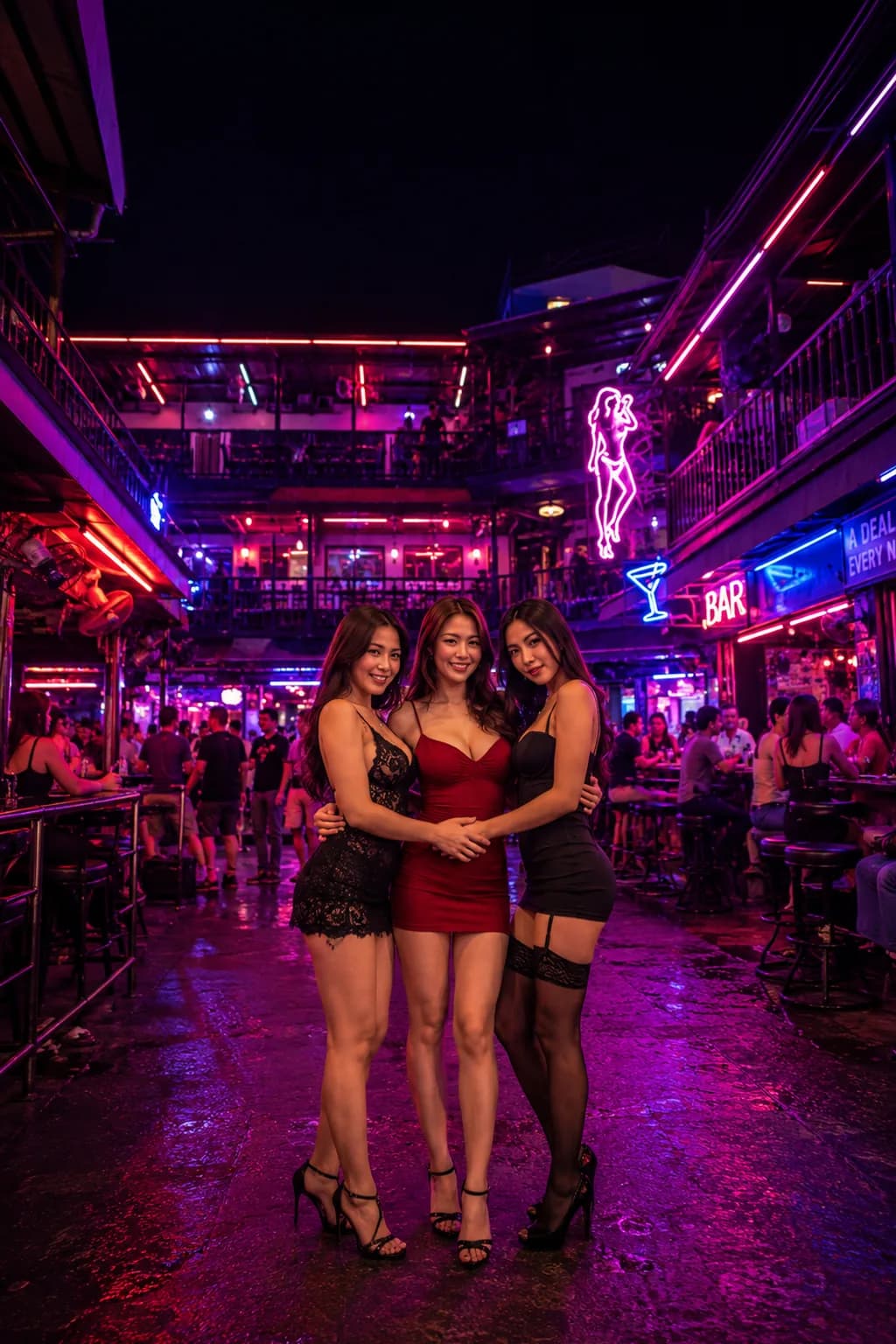
Bangkok
Thailand's dynamic nightlife capital
From world-class entertainment districts and vibrant lounges to after-dark nightlife culture across Sukhumvit, Silom, and beyond.
 86 venues
Destination
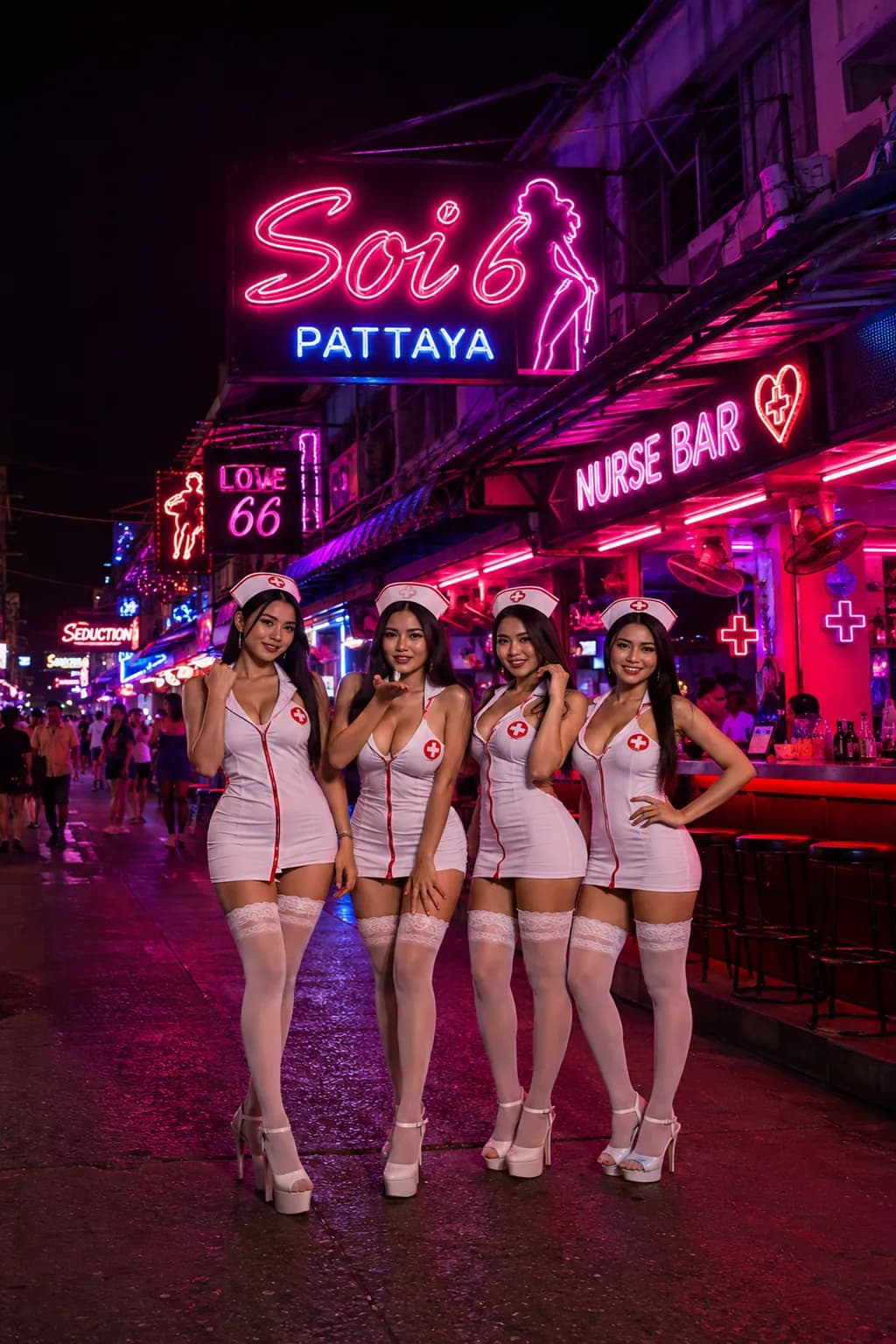
Pattaya
World-famous seaside nightlife hub
An extensive evening entertainment landscape featuring Walking Street, Soi 6, LK Metro, and seaside lounges.
 25 venues
Destination
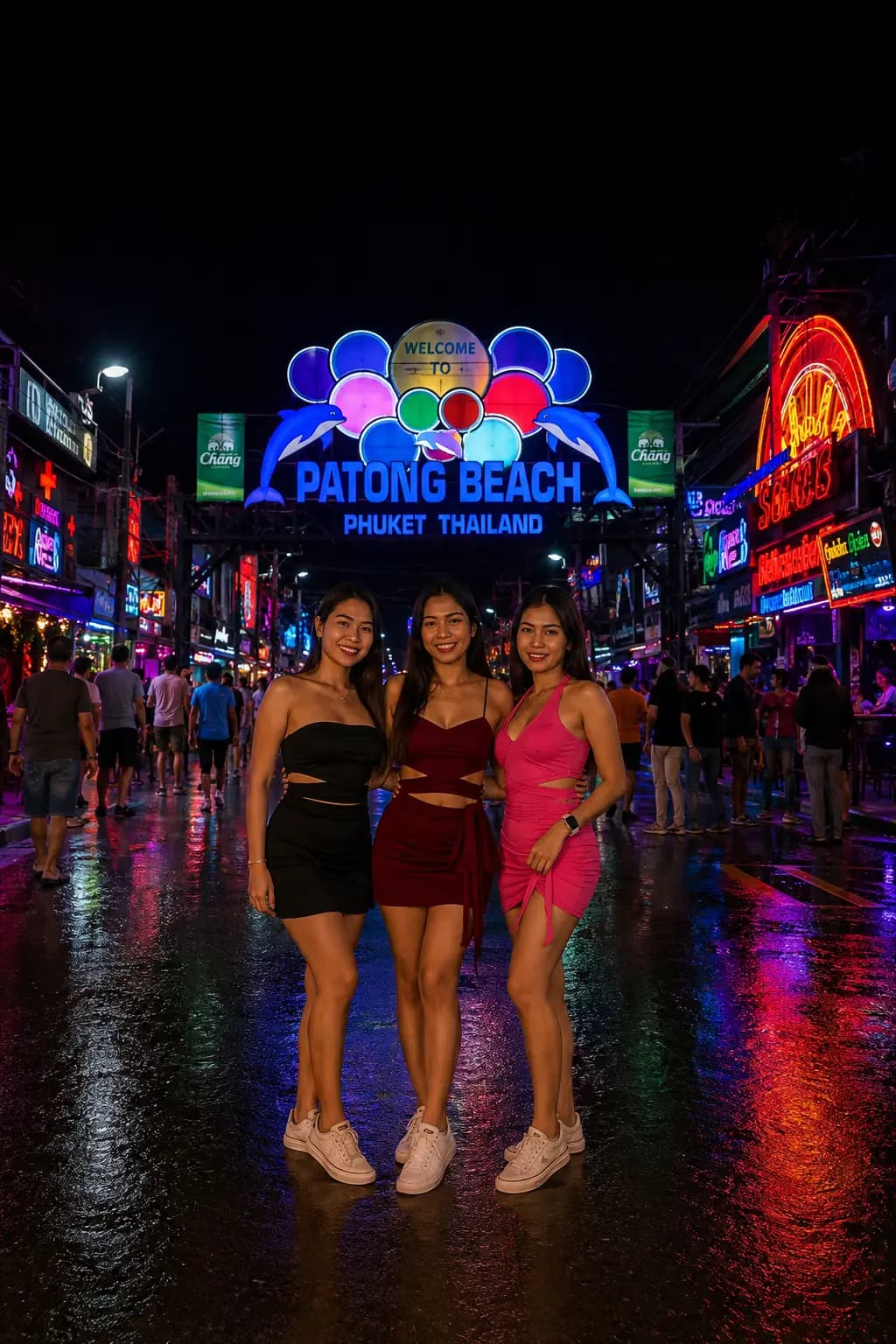
Phuket
Andaman island nightlife & entertainment
Centred around vibrant Bangla Road in Patong and surrounding beach club lounges.
 14 venues
Destination
Jomtien
Relaxed coastal nightlife & bar scene
A laid-back alternative to Pattaya featuring beachside bars, complex lounges, and friendly social venues.
 16 venues
Destination
Chiang Mai
Northern Thailand's evening entertainment
Atmospheric evening venues, live music spaces, night bazaars, and local entertainment districts.
 6 venues
Destination
Hua Hin
Royal coast evening & lounge scene
Centred around Soi Bintabaht and the downtown district, offering relaxed pubs, live music, and evening entertainment.
 5 venues
Destination
Udon Thani
Isaan's cosmopolitan evening hub
A bustling nightlife centre in the upper northeast, with vibrant bar strips near the central station and shopping malls.
 9 venues
Destination
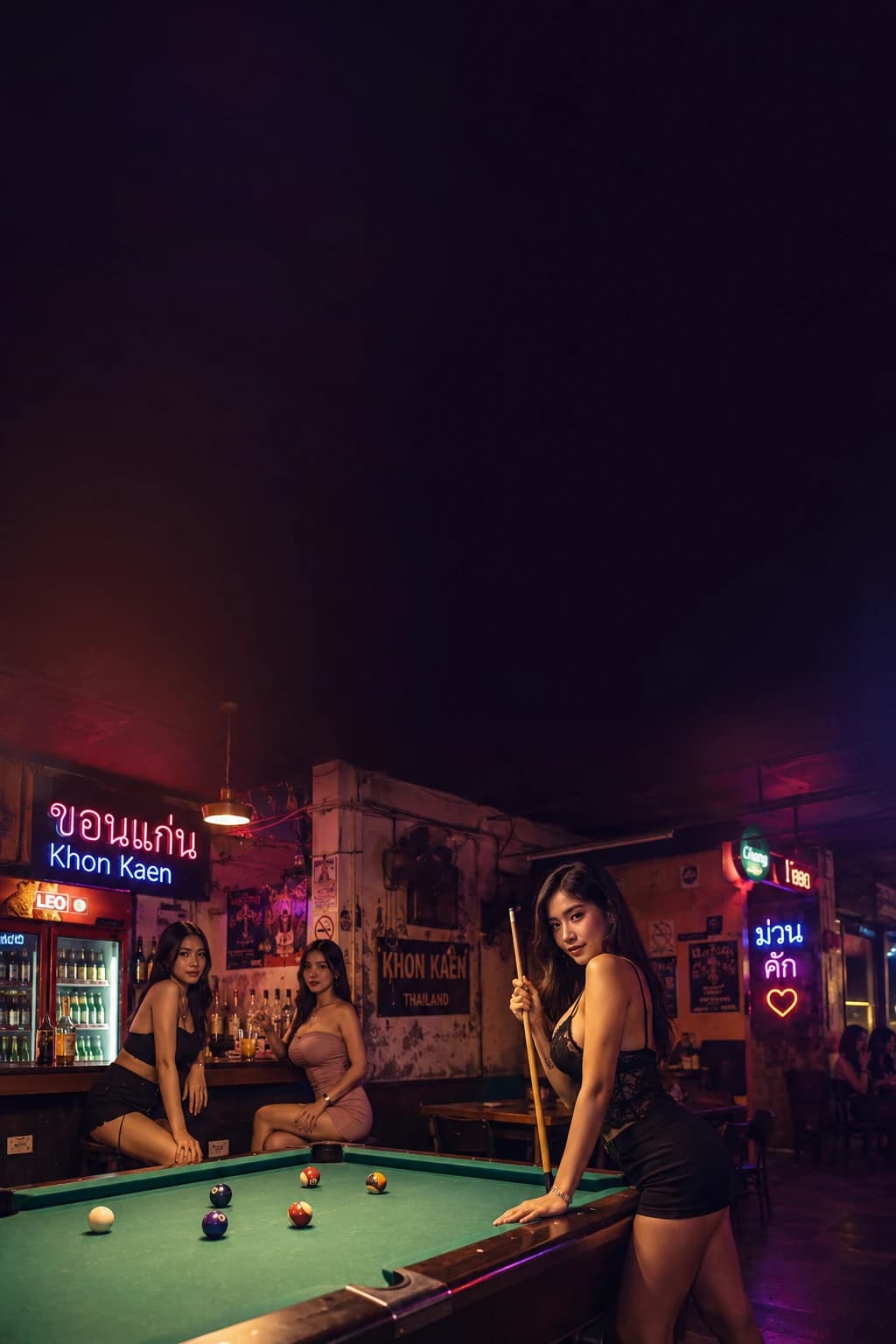
Khon Kaen
Heart of the northeast nightlife
University city energy with chic lounges, live entertainment, and friendly local nightlife zones.
 6 venues
Destination
Korat
Gateway to Isaan after dark
A thriving provincial capital with traditional music lounges, modern beer gardens, and relaxed evening entertainment.
 2 venues
Destination
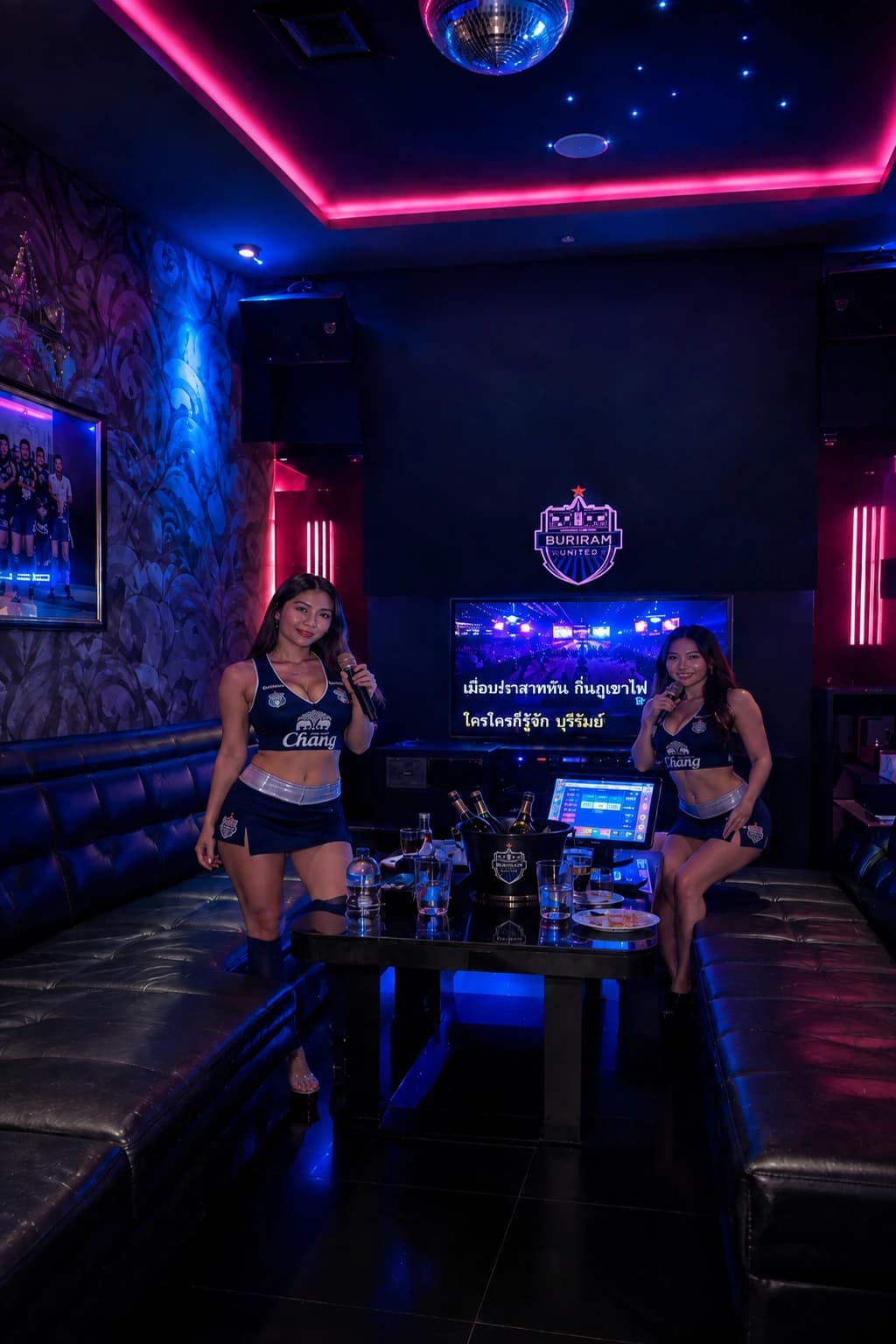
Buriram
Southern Isaan sport & evening hub
Growing evening entertainment, modern sports lounges, and lively local night markets.
Editorial Archive & Culture
Beyond Nightlife Guides & Stories
Understand the venues, terminology, history and changing nightlife culture behind Thailand after dark.
Understand the Scene
Essential distinctions between venue types, nightlife terms, slang, social roles, and operating models.
Beyond Nightlife: Why Thailand4U Separates It from Ordinary Nightlife
Thailand's nightlife is bigger than bars, clubs and rooftop drinks. Beyond Nightlife exists for the parts of the after-dark world that are real, visible and culturally significant — but need a different kind of editorial treatment.
Thailand After Dark: Nightlife Terms and Abbreviations Explained
Thailand's nightlife has developed a vocabulary of its own. KTV, GC, BF, LD, PR, ST and LT appear constantly in conversations, reviews and venue descriptions — and once online forums are added to the mix, the list becomes considerably longer.
What Is a KTV in Thailand?
KTV can mean a perfectly ordinary private karaoke room. It can also describe a hostess-oriented nightlife venue that has very little in common with the karaoke bar a Western visitor might imagine. The letters are the same. What happens behind the door can be very different.
What Is a Gentlemen's Club in Thailand?
In Britain, the words once meant a private social club for upper-class men. In American nightlife, they often suggest a strip club. In Thailand, the same label can describe something different again: a hostess-oriented lounge built around conversation, drinks, entertainment and, in some venues, private rooms or karaoke. The name is familiar. The format is not.
Adult Clubs in Thailand: What the Category Actually Means
Thailand has go-go bars, gentlemen's clubs, hostess lounges, KTVs, massage establishments, and venues that combine elements of several of them. "Adult Club" is useful precisely because not every business fits neatly into one traditional label — but it should not be mistaken for an official Thai legal category.
How Thailand's Nightlife Venues Are Different from One Another
A beer bar, go-go bar, KTV, gentlemen's club, hostess lounge, adult club and soapy massage can all belong to Thailand's after-dark economy — but they are not interchangeable. The easiest way to understand the scene is to look at what each venue is actually built around: the bar, the stage, the private room, the table, the staff interaction or the massage format.
Soapy Massage, Traditional Thai Massage and Modern Spa: What's the Difference?
The word "massage" covers several completely different worlds in Thailand. Traditional Nuad Thai belongs to the country's healthcare heritage. Modern spas and health-massage businesses sit inside a regulated wellness industry. So-called soapy massage belongs to an entertainment-place tradition with a very different history and legal framework. Confusing them does a disservice to all three.
What Is a Go-Go Bar in Thailand?
Few nightlife formats are more closely associated with Thailand in the foreign imagination. But the go-go bar was not invented in Thailand, it is not the same thing as every hostess bar or adult club, and the format has changed considerably since Bangkok's first documented go-go venues appeared around Patpong in 1969.
Nuru Massage in Thailand: Where the Term Came From and What It Means
Nuru sounds as though it might be a Thai massage category. It is not. The term comes from Japan, became associated with an erotic body-to-body massage using an unusually slippery water-based gel, and later spread internationally. In Thailand it is now used as both a genuine technique label and a marketing word — which is why the name can tell you less than you think.
Mamasans, PRs and Hostesses: The Roles Behind Thailand's Nightlife Venues
Thailand's nightlife uses familiar words in unfamiliar ways. A mamasan is not simply a "madam". A PR may be a genuine public-relations employee in one venue and customer-facing entertainment staff in another. A hostess may pour drinks, sing karaoke, dance, entertain a table or simply talk. The job titles overlap, but they are not interchangeable, and none of them proves what an individual worker does outside the role.
Culture & History
The historical rise of go-go bars, soapy massage, entertainment zoning, and the geographic shift from Patpong to Sukhumvit.
The History of Soapy Massage in Thailand
Thailand's so-called "soapy massage" did not emerge from traditional Thai massage, and it was not created in one single moment during the Vietnam War. Its modern history sits at the intersection of Bangkok's post-war growth, American military spending, Thai domestic nightlife, rural migration, regulation, and an entertainment industry that has repeatedly reinvented itself.
Coyote Dancing in Thailand: From Promotion Culture to Nightlife
In Thailand, "coyote" does not usually mean the North American animal. It became a local word for sexually suggestive promotional dancers during the early 2000s, strongly influenced by the film *Coyote Ugly*. From Bangkok nightclubs the label spread into auto shows, product promotions, festivals, restaurants and provincial nightlife — then blurred with older go-go and hostess cultures. The role is real. The boundaries are not always neat.
Why Karaoke Became Such a Big Part of Asian Nightlife
Karaoke began as a Japanese technological solution to singing without a live band. What made it explode across Asia was something bigger: the private room turned singing into social space. Friends, families, students, colleagues and business clients could eat, drink, talk and perform together without an outside audience. That same flexible format later supported everything from mainstream KTV chains to hostess-oriented nightlife.
How Bangkok's Adult Nightlife Shifted from Patpong to Sukhumvit
For two decades, Patpong was the Bangkok nightlife district foreigners knew by name. Then the centre of gravity moved east. Nana Plaza filled with bars, Soi Cowboy matured, tourist hotels spread along Sukhumvit and the BTS made Nana and Asok easier to reach. Patpong did not simply disappear — Bangkok changed around it.
The Rise of Thailand's Go-Go Bars
Thailand did not invent go-go dancing. What it did was turn an imported 1960s nightclub idea into one of the country's most recognisable nightlife formats. From a handful of Patpong bars around 1969, the model spread through Bangkok, Pattaya and Phuket, adapted to different tourist economies and survived repeated changes in law, technology, property and customer taste.
Bangkok's Old New Phetchaburi Entertainment Strip
Before Patpong became the Bangkok nightlife name foreigners recognised, another road carried much of the city's American-era entertainment economy. New Phetchaburi Road — newly cut through fields and orchards in the early 1960s — became the "American Strip" or "Golden Mile": bars, live music, R&R, hotels, massage parlours and late-night venues built around a temporary wave of military spending. Then the war wound down, the customers moved, and the strip almost vanished from memory.
Lost Places & Venue Stories
Documenting vanished establishments, legendary venues across Bangkok, Pattaya, and Phuket, and long-term brand evolution.
Devil's Den Pattaya: The Story of a Lost Nightlife Venue
Devil's Den was never a typical Pattaya bar. Its roots ran back to Bangkok's Eden Club, its premises passed through three identities in less than three years, and its later success came from turning an uncertain corner of the adult-nightlife economy into something unusually structured and branded. It survived raids, ownership drama and the internet age. COVID-19 finally ended the physical venue — but not its reputation.
Lost Adult Venues of Bangkok
Bangkok nightlife rarely disappears politely. A famous bar can close after a lease ends. An entire plaza can be demolished in a night. A landmark can survive only by moving to another basement. Some venues vanish because the law changes, some because the land becomes too valuable, and some because their customers simply move elsewhere. The lost places tell us as much about Bangkok as the surviving ones.
Lost Adult Venues of Pattaya
Pattaya's nightlife has always been built on turnover. A famous bar closes, its sign remains, another operator takes the lease, and within months the same room has a new name and a new mythology. Some brands survive by moving. Some return after years away. Others disappear with an entire soi. The hardest part of writing Pattaya nightlife history is deciding when a venue is actually gone.
Lost Adult Venues of Phuket
Patong nightlife does not preserve itself. Old bar names disappear into larger clubs, entire side-sois are rebuilt, beer-bar compounds become shopping space, and one famous venue can absorb two others without moving more than a few metres. Phuket's lost adult nightlife is therefore less about ruins than succession: the same tiny piece of Patong keeps being rewritten.
Background & Origins
Understanding Thailand's Entertainment Landscape
From the historic R&R era of the 1960s to modern international nightlife strips in Bangkok, Pattaya, and Phuket, Thailand's evening entertainment culture has evolved through decades of tourism, commercial growth, and municipal zoning.
Beyond Nightlife provides direct, non-judgmental directory information, clear orientation, and practical advice to help travelers navigate the scene with confidence, safety, and respect for local norms.
Visitor Responsibility
Safety, Local Laws & Child Protection
Thailand enforces strict entertainment zoning regulations, legal opening hours, ID verification, and zero tolerance for illegal narcotics. In addition, Thailand maintains rigorous laws regarding child protection and anti-trafficking.